
Helpful Articles
Plain-English posts on treatments, symptoms and what to expect.
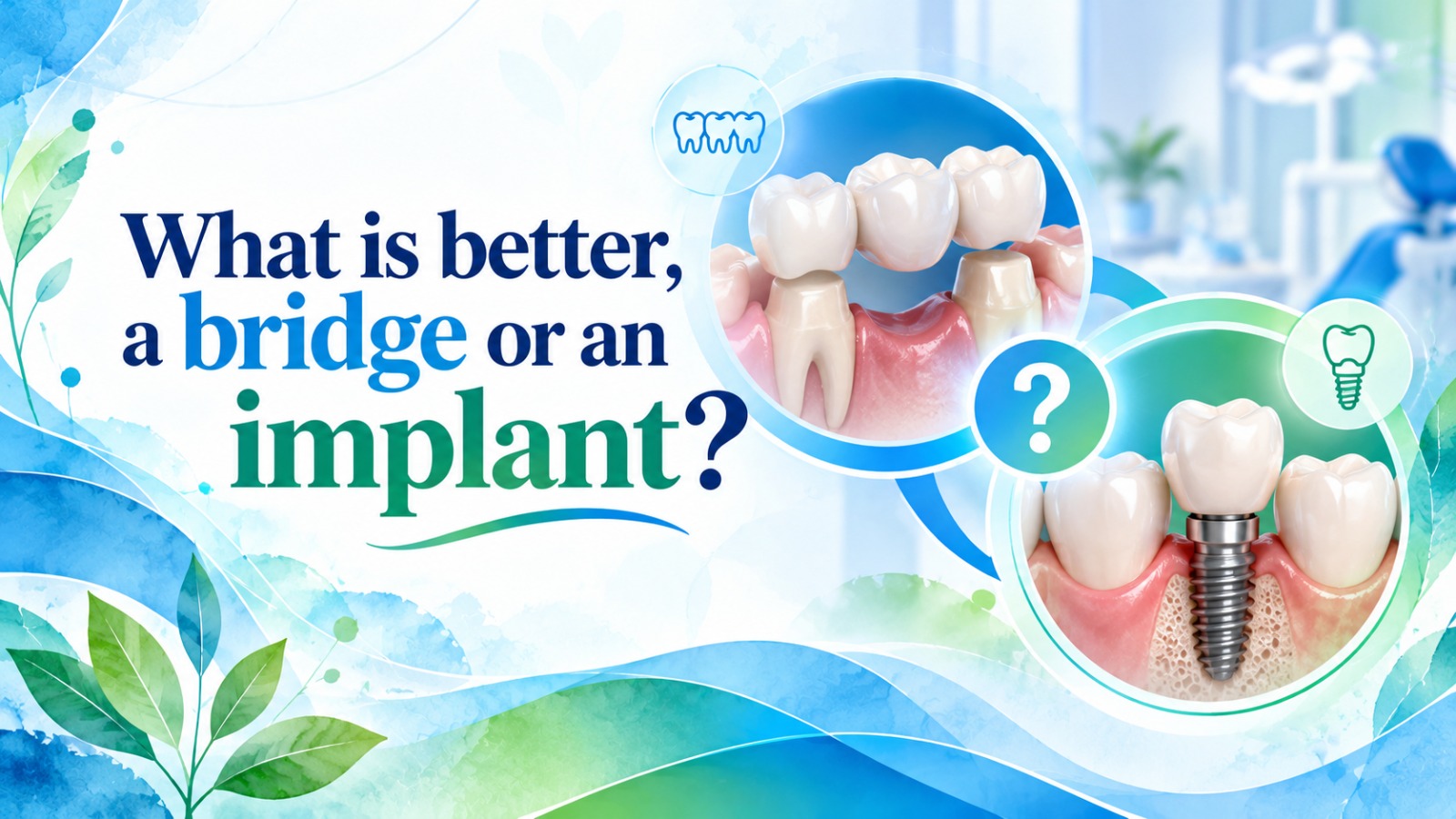
Dental Bridge or Implant: Which Option Fits Your Situation?
Neither a bridge nor an implant is automatically better. How neighbouring teeth, bone, treatment time and maintenance should shape your choice.
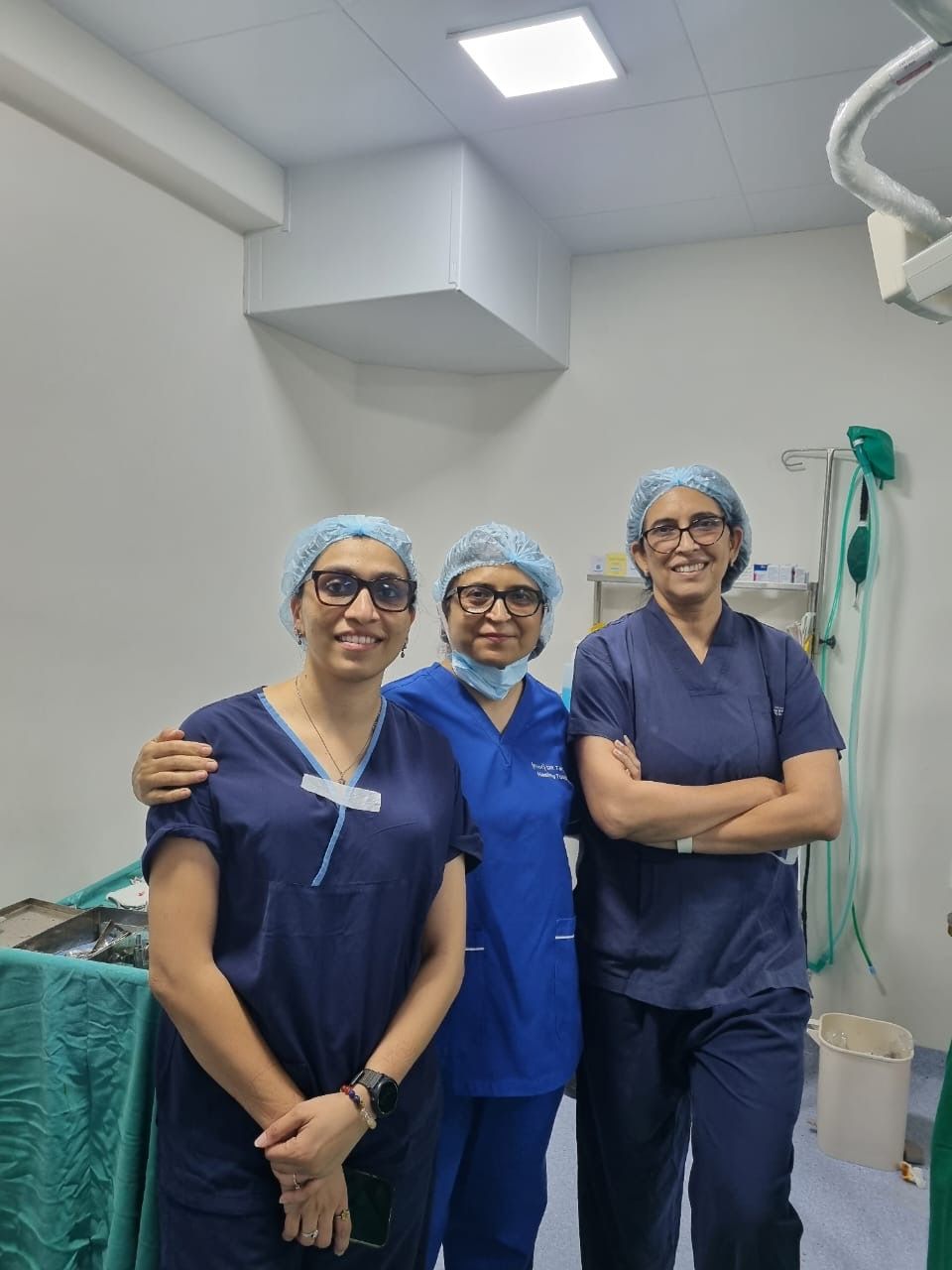
Women in Surgery
From a changing room that did not exist to an all-women surgical team — how the role of women in oral and maxillofacial surgery has changed in one career.
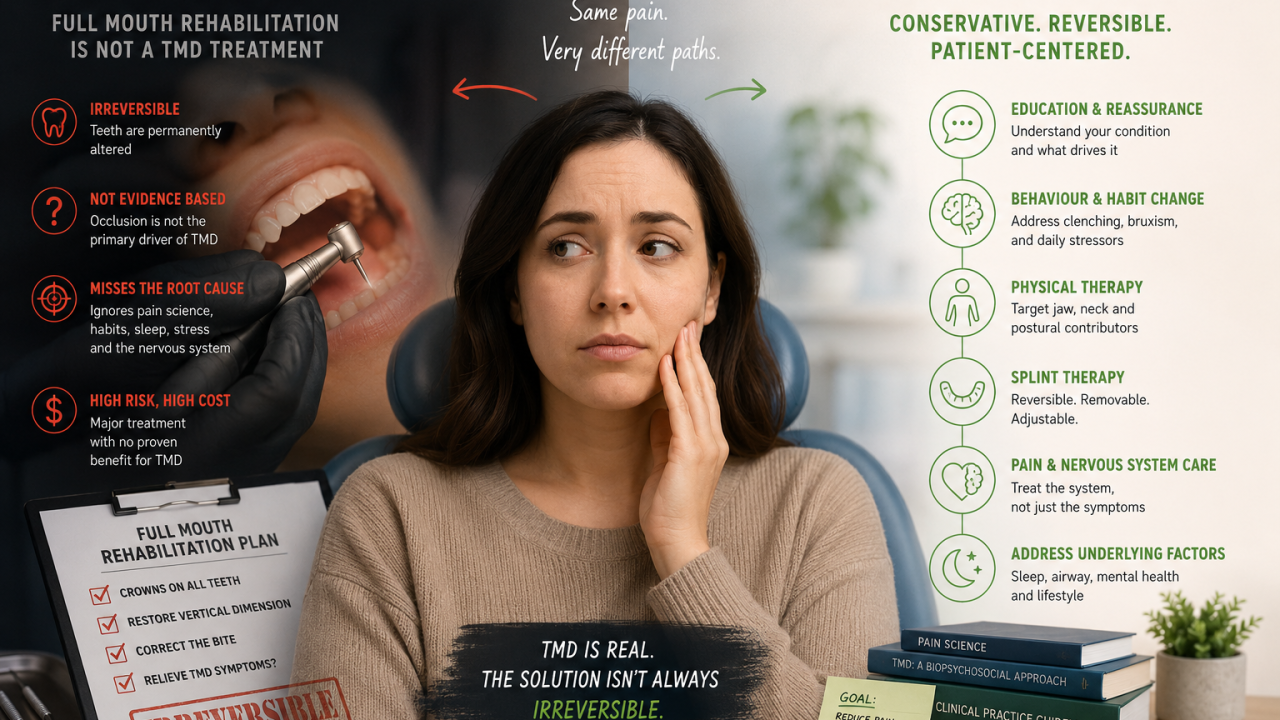
Is Bite Correction a Recommended Treatment Option for Patients with Jaw Pain?
Why full-mouth rehabilitation is not an evidence-based cure for TMD — and what the guidelines actually recommend for jaw pain.
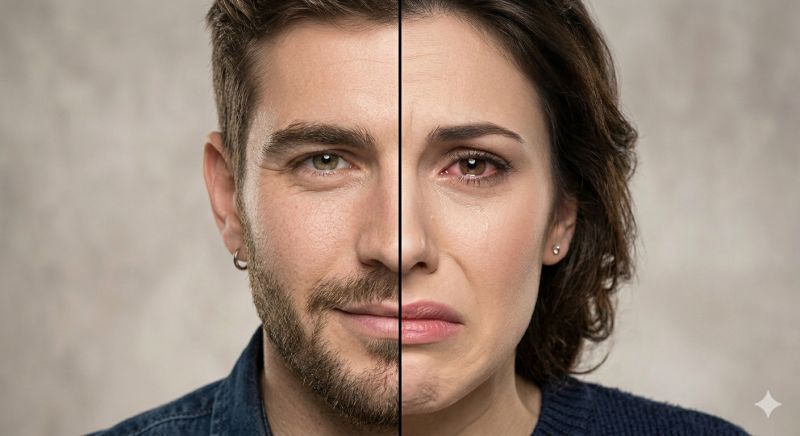
Google Reviews Bring Patients In — Referrals Keep Them In
A TMJ consultation that began with a striking metaphor, and two lessons about referrals and the biopsychosocial model of pain.

Is Psychosomatic Illness an Unwanted Outcome of Human Evolution?
When the id raises its head and the ego pushes it down, something has to give. A short reflection on the origins of psychosomatic illness.
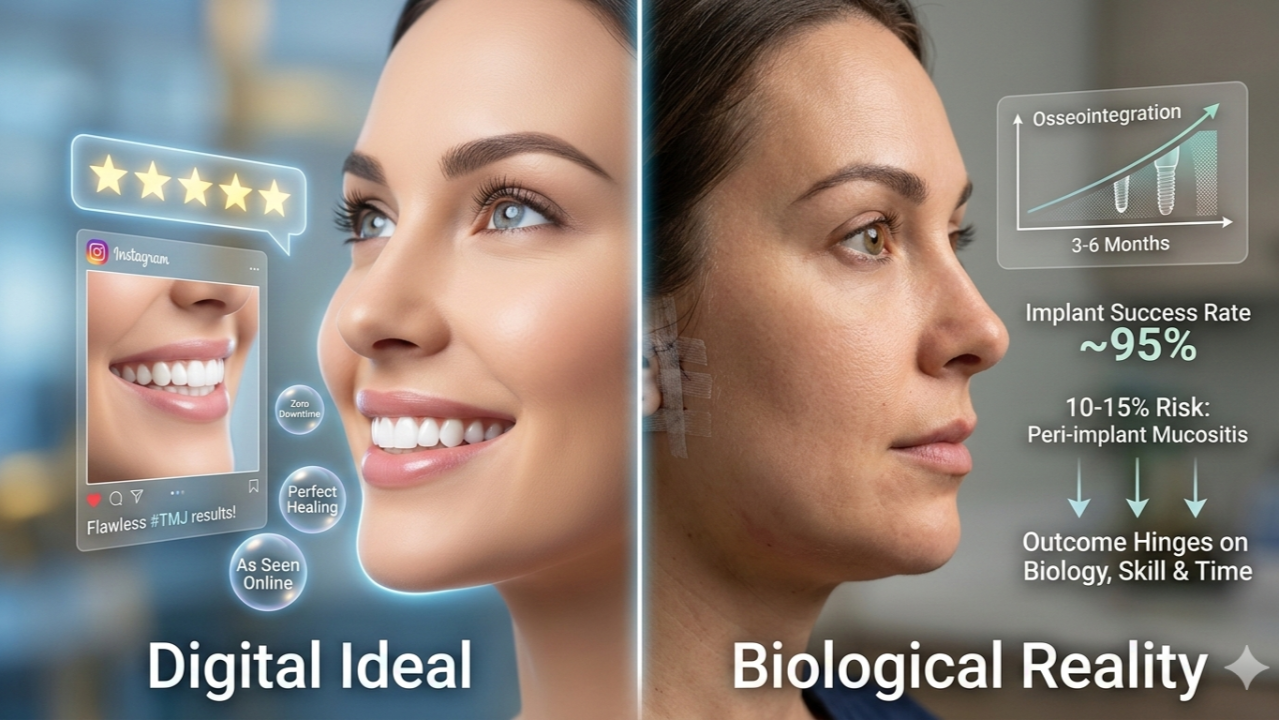
The Psychology of Perfection: How 5-Star Reviews and Instagram Images Shape Doctor-Patient Expectations
Perfection is probabilistic, not promised. How curated digital narratives distort healing expectations — and what to do about it.

First Principle Thinking and Clinical Practice
Rachna's joints were fine. Her muscles were not. What a 45-minute conversation reveals that no scan can.

Faith, Meaning, and the Jaw: What Pain Science Is Quietly Teaching Us About TMD Outcomes
Belief systems act as neuroregulatory inputs. What fMRI research on faith, meaning and pain modulation means for TMD care.
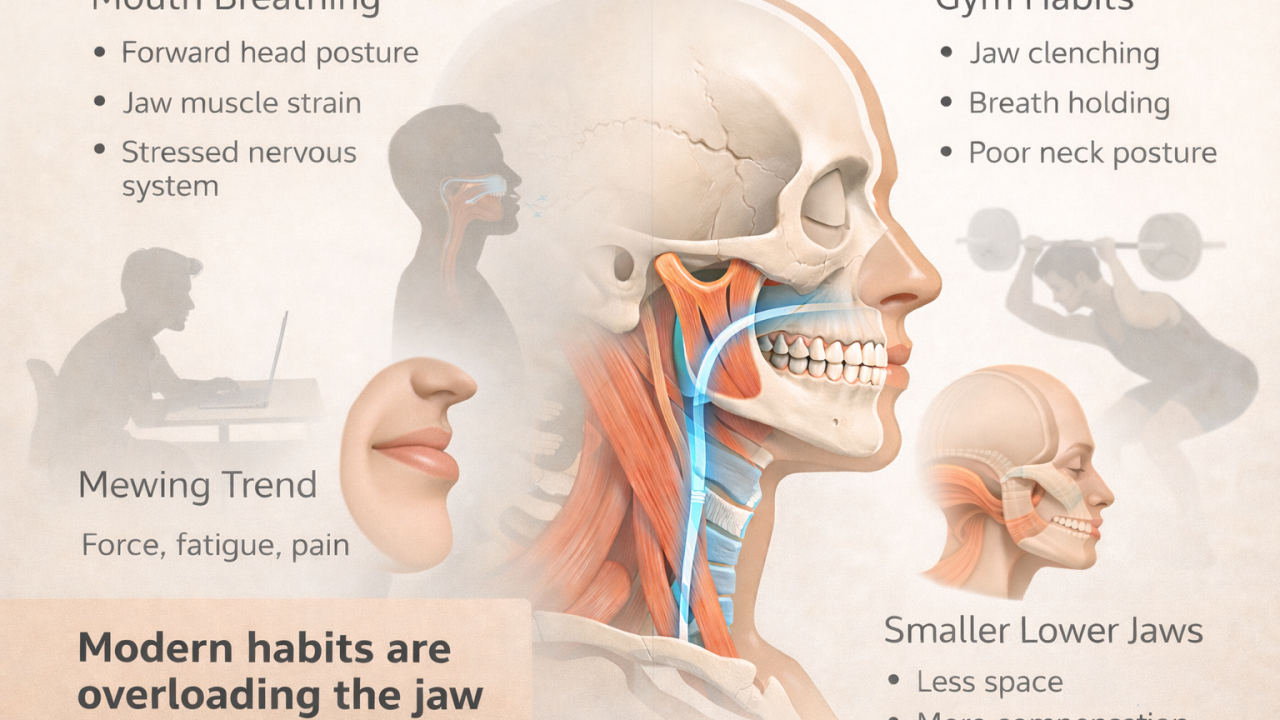
The Silent Price of Modern Habits: Young Adults and TMJ Disorders
Mouth breathing, tech neck, broken sleep, mewing and gym clenching — the everyday habits quietly driving TMD in young adults.

Power of Suggestion: How Well-Meaning Opinions Can Worsen TMJ Pain
Every opinion plants a belief seed. Why too many narrow explanations turn mild jaw discomfort into a full pain disorder.
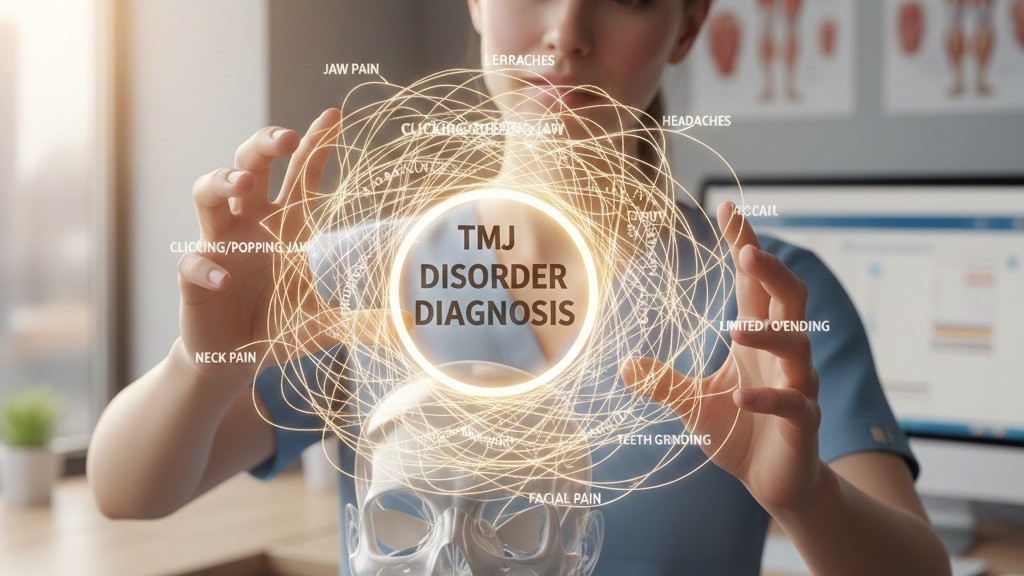
Various Faces of TMD: How I Assess, and the Role of Medical Intuition in My Practice
Humming ears, twitching eyes, shooting lip pain — TMD can be baffling. How a 45-minute biopsychosocial interview changes the picture.
Cancer and a Dentist
Three tongue cancer patients, one identical history — and a diagnostic delay that dentists are uniquely placed to prevent.