
Power of Suggestion: How Well-Meaning Opinions Can Worsen TMJ Pain
Every opinion plants a belief seed. Why too many narrow explanations turn mild jaw discomfort into a full pain disorder.

When someone develops TMJ symptoms — jaw pain, headaches, ear pressure, clicking, neck stiffness — they usually do what any worried person would do: they start asking around. And the journey begins. The ENT surgeon, a Neurophysician, a Dentist, a chiropractor. Sometimes even a general physician or physiotherapist.
Each practitioner, trained brilliantly in their own lane, views TMJ through a narrow clinical window. ENT sees the ear. Neuro sees the head. Dentists see the teeth. Chiropractors see alignment. And each issues a confident-sounding explanation: your ear pressure is because of fluid imbalance, it's a nerve issue, it's a bite problem, the neck needs alignment, you need a splint or meds, etc.
None of this is wrong in isolation — but that's exactly where the problem begins. Each suggestion becomes a belief seed planted in the patient's mind. Each opinion adds a new layer of fear, confusion, or hyper-awareness. And by the time this person finally lands in the chair of someone actually trained in TMJ and orofacial pain, the symptoms have multiplied, the anxiety has intensified, and the story has become way more complex than the original issue. This is the Power of Suggestion at play.
When too many opinions hurt more than help
TMJ is rarely a single-cause condition. It sits beautifully — but frustratingly — inside the biopsychosocial model:
- Bio: muscles, joints, posture, sleep, systemic inflammation.
- Psycho: stress, hypervigilance, fear, catastrophic thinking.
- Social: work strain, habits, lifestyle, coping patterns.
When early suggestions focus only on one sliver of the problem, they unintentionally push the patient into a loop of stress, hypervigilance and hopelessness. This is how mild TMJ discomfort snowballs into a full-blown pain disorder. Not because the condition worsened, but because the meaning the patient attached to it became scarier and more complicated.
Why TMJ expertise matters early
A TMJ expert trained in the biopsychosocial approach looks at the complete ecosystem of the patient's coping style, personality type, family, work, facial type, sleep related issues, bruxism and clenching patterns. This wider lens helps patients feel understood, hopeful, and in control. The treatment becomes simpler, not more complicated. Their sense of hope is restored and the body learns to calm down and trust again. And very often, the symptoms start reducing just from this shift alone.
Takeaway
When it comes to TMJ disorders, the story a patient carries is just as powerful as the symptoms they feel. Multiple opinions, however well intentioned, create mental noise that worsens the condition. The Power of Suggestion is real. It can complicate healing or accelerate healing when used appropriately.
"As clinicians, our words shape the patient's reality. Words heal. Words kill."
#TMJDisorders #OrofacialPain #SleepMedicine #CorporateWellbeing #EmployeeHealth #OralHealthMatters #BiopsychosocialModel #PainScience
Keep reading
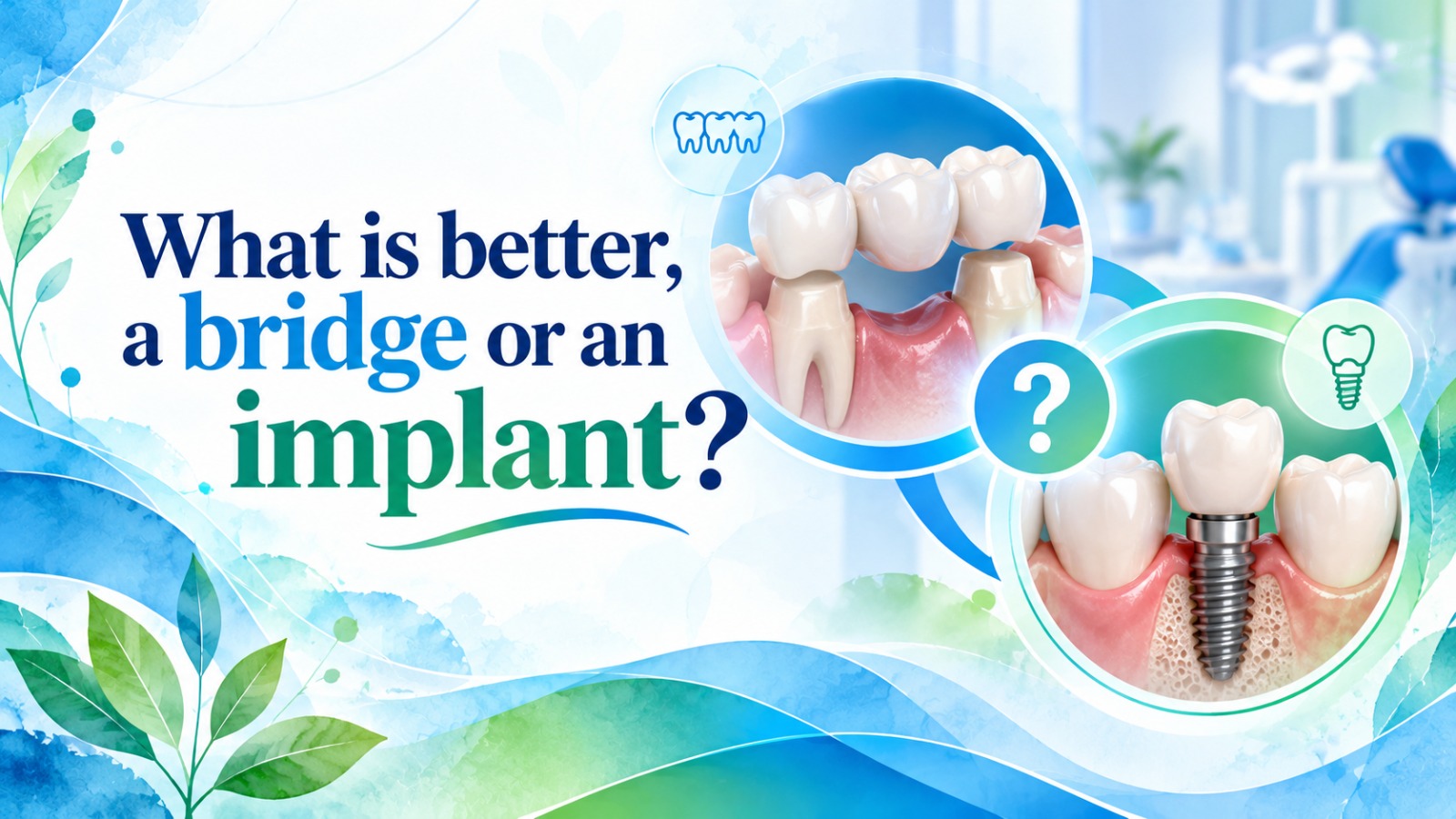
Dental Bridge or Implant: Which Option Fits Your Situation?
Neither a bridge nor an implant is automatically better. How neighbouring teeth, bone, treatment time and maintenance should shape your choice.
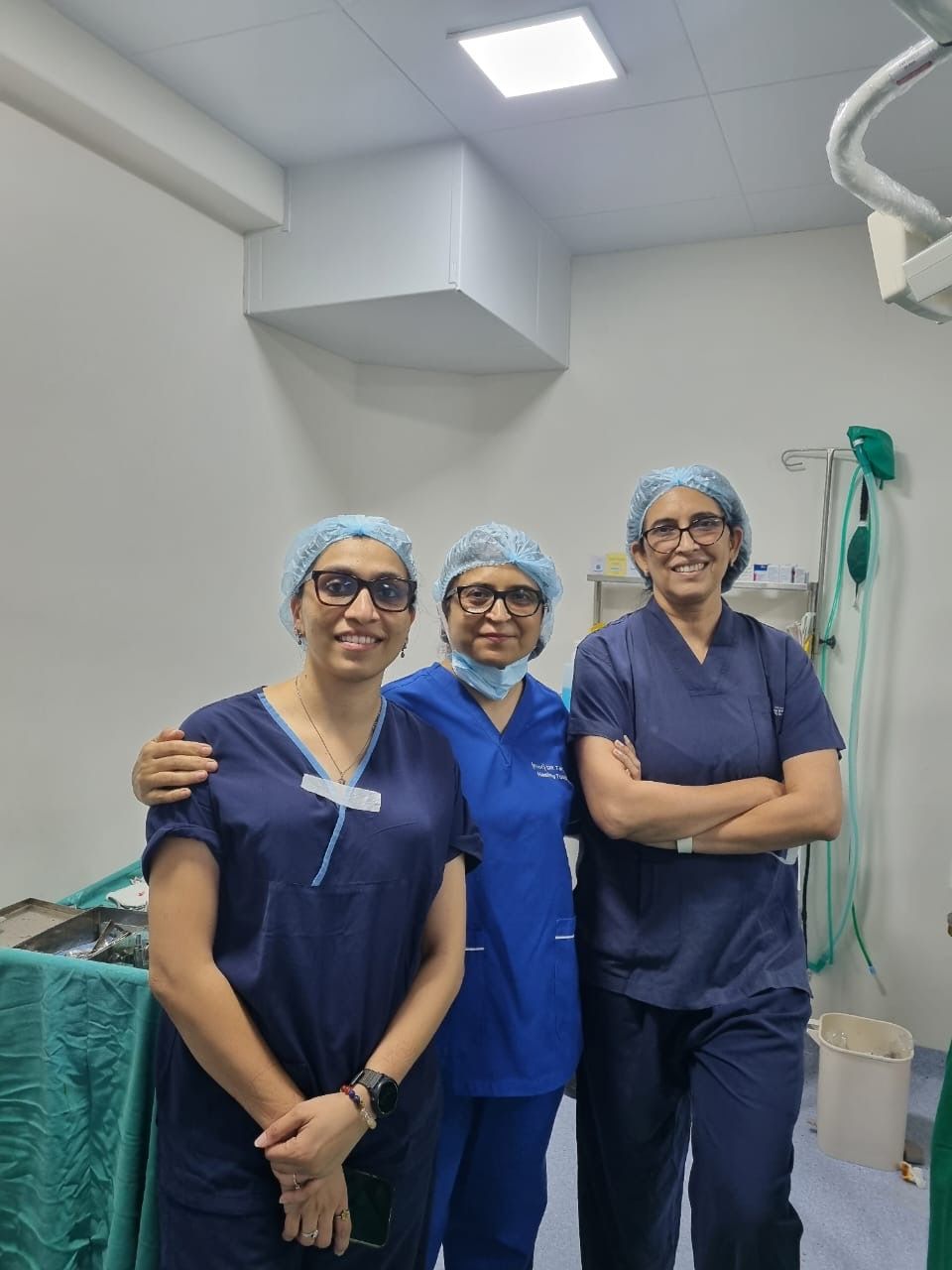
Women in Surgery
From a changing room that did not exist to an all-women surgical team — how the role of women in oral and maxillofacial surgery has changed in one career.