
Google Reviews Bring Patients In — Referrals Keep Them In
A TMJ consultation that began with a striking metaphor, and two lessons about referrals and the biopsychosocial model of pain.
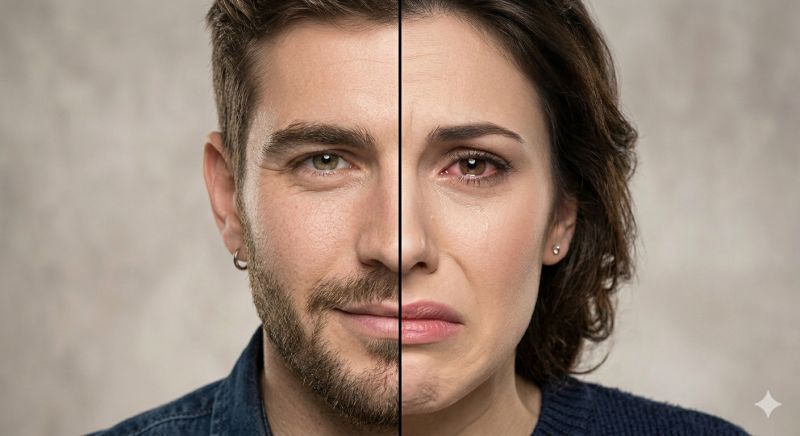
A 39 year old woman enters my office with a smiling face. My assistant informs me that she is here for a TMJ consult. She has read those amazing reviews on Google; due to lack of reference to my clinic by any of her previous doctors, she had found me through Google.
The first thing she tells me as soon as she sits is, "Dr, I feel my face is divided into two halves, there is this one half which is like a man's face, totally relaxed and happy, oblivious to worries of the world, and then there is another half which is of a woman, filled with worries and pain. I have been consulting Doctors since 10 years with this vague unexplained pain on my left half which refuses to leave me."
I am yet to hear this level of clarity and such creative use of metaphor to describe pain. After finishing with our consultation in which I described to her what the biopsychosocial model of pain and its management is, she wasn't open to the idea of hidden emotions and feelings in pain causation. In order to anchor her to my theory I advised her MRI of TMJs and blood tests for inflammatory markers — both were inconclusive. As expected. Yet she insisted on looking for something in the MRI which could be causing this pain to her. When I re-emphasised and asked her to look deeper within, while at the same time prescribing meds for neuropathic pain, she decided to drop out of the follow up.
Two morals from this story
One: Google reviews can get you the patient in, they can't motivate them to stay in. For that a proper referral letter by a colleague is invaluable. When another Dr refers her patient to a specialist, patients trust better, stay longer. Please please refer. Don't delay. Your referral letter holds power to heal someone.
Two: Unless and until the patient accepts and appreciates the biopsychosocial role in the pain, any intervention will be short lived. For long term relief patients need to understand that your mind has a strong hold on your body, and your emotions and feelings do too, through your mind. Changing of Doctors, consuming medications, opioids will bring only short term symptomatic relief; unless underlying emotions are allowed to be felt and seen, pain will always find a way within, some way or another.
#biopsychosocialmedicine #wholisticcare #tmjexpertadvise
Keep reading
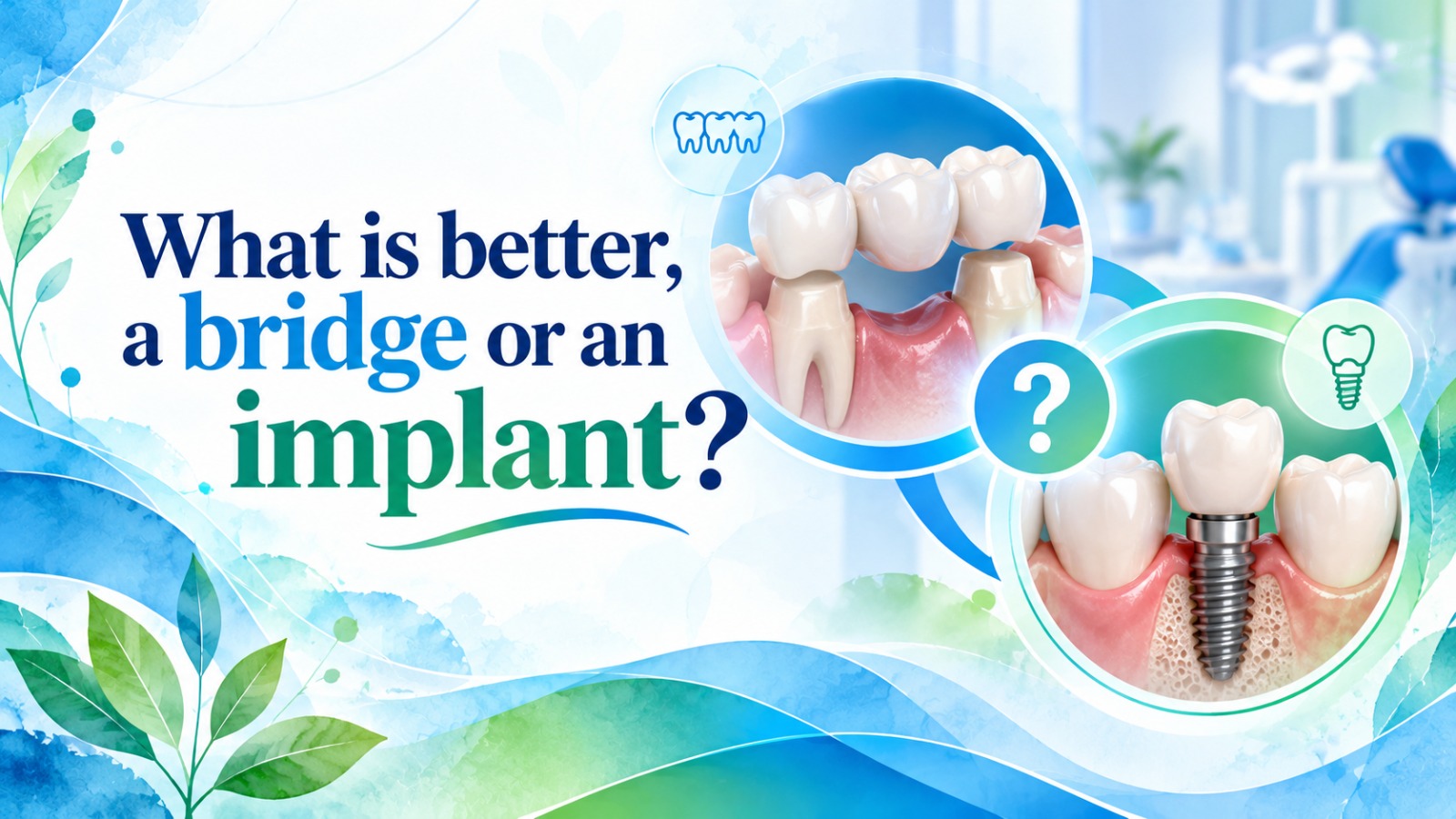
Dental Bridge or Implant: Which Option Fits Your Situation?
Neither a bridge nor an implant is automatically better. How neighbouring teeth, bone, treatment time and maintenance should shape your choice.
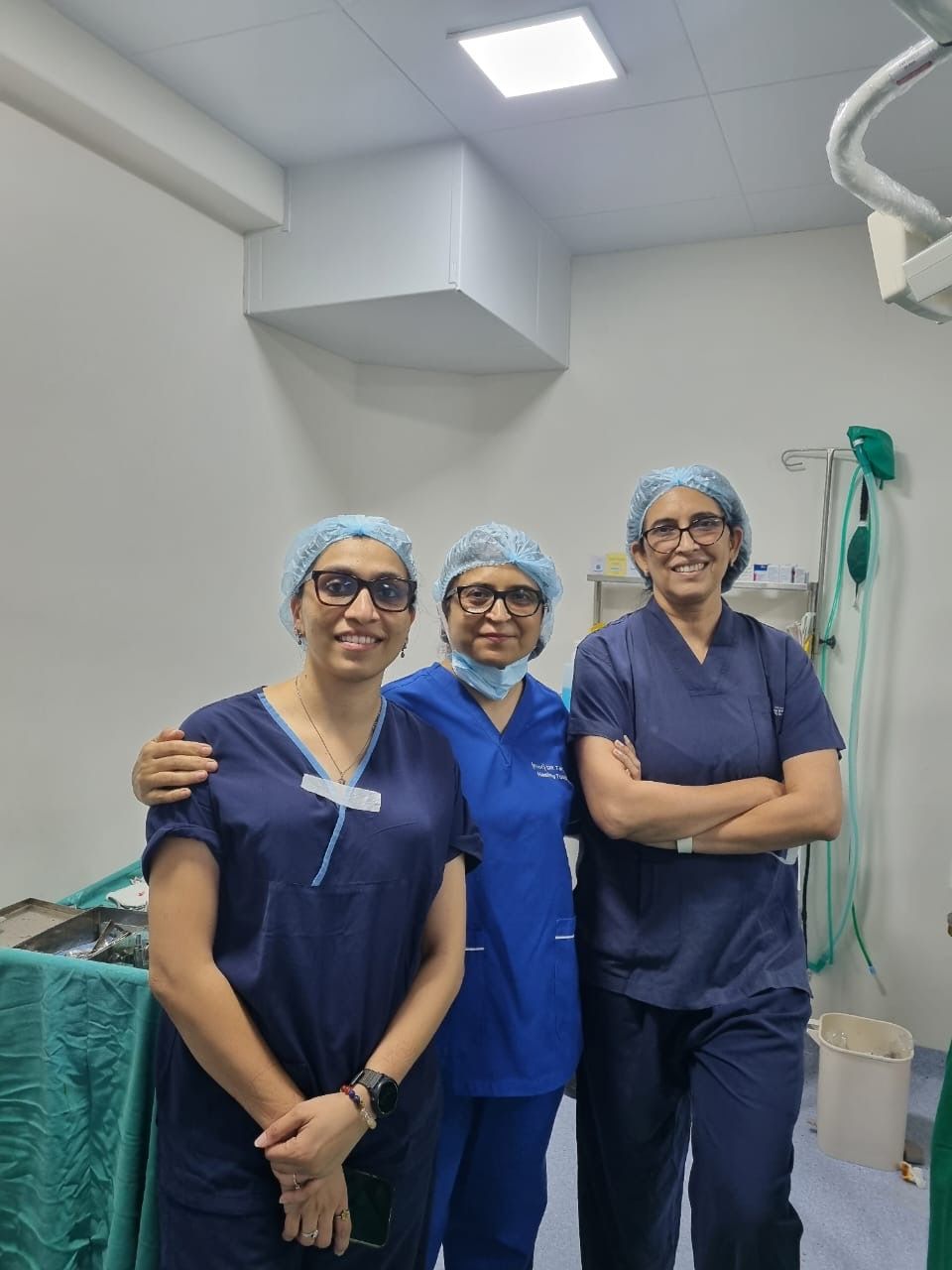
Women in Surgery
From a changing room that did not exist to an all-women surgical team — how the role of women in oral and maxillofacial surgery has changed in one career.