
The Psychology of Perfection: How 5-Star Reviews and Instagram Images Shape Doctor-Patient Expectations
Perfection is probabilistic, not promised. How curated digital narratives distort healing expectations — and what to do about it.
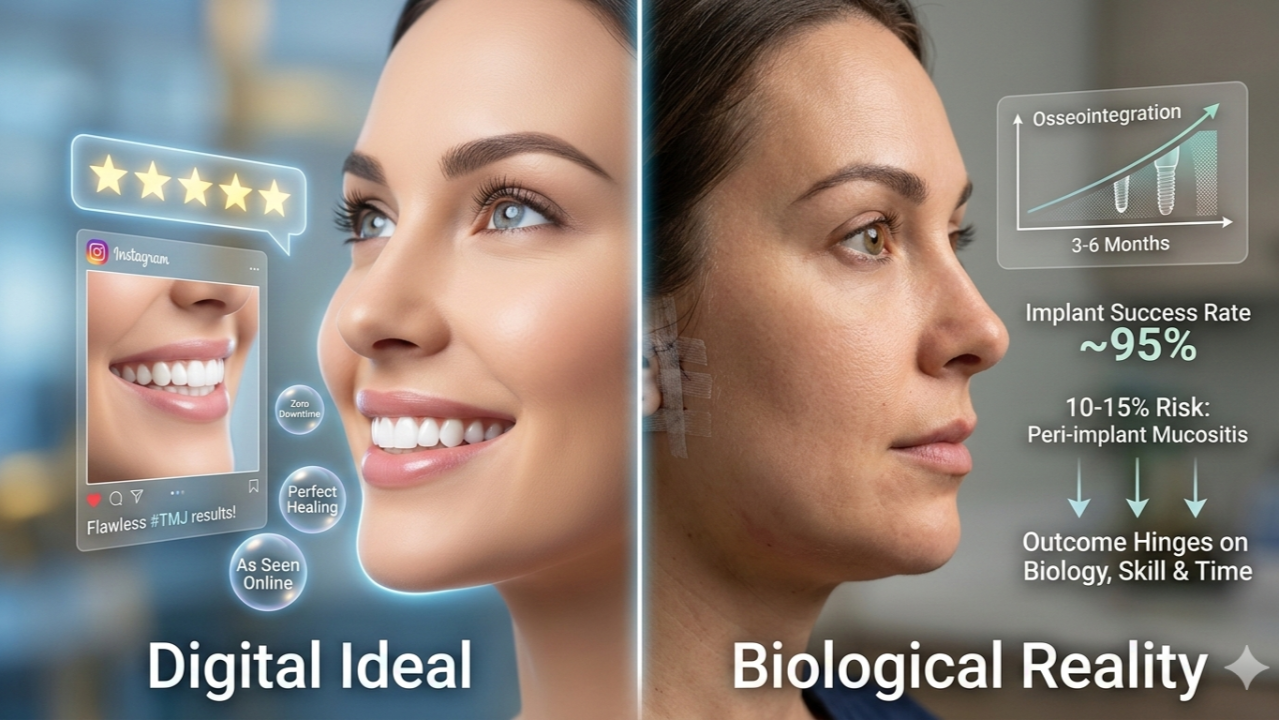
In oral and maxillofacial surgery, outcomes hinge on biology, skill, and time. Yet digital platforms like Google My Business and Instagram often paint an idealized picture — perfect 5-star ratings and flawless smiles. This can distort expectations, creating challenges for both patients and clinicians.
Drawing from biopsychosocial models and first-principles thinking, let's explore the evidence and practical implications.
Evidence on review-induced expectations
Systematic reviews (e.g., Health Psychology Review, 2023) show that unblemished 5-star Google ratings elevate patient expectations by 30-40%. Patients anticipate flawless results: no post-operative swelling after dental implants or immediate relief from TMJ disorders.
First principles reality: Healing follows biological timelines. Implant osseointegration succeeds in ~95% of cases but requires 3-6 months (per ITI Consensus 2023). Complications like peri-implant mucositis affect 10-15%. When natural variability occurs, cognitive dissonance arises — patients feel let down, not informed.
In clinical practice, this manifests as heightened anxiety. A Goa-based study analogue (personal caseload) reveals patients citing reviews demand "zero downtime," straining therapeutic alliances.
Instagram's visual bias and its toll
Curated Instagram posts — symmetric jaws post-TMJ therapy, scarless oncology reconstructions — leverage selective visuals and filters. This fosters social comparison (Festinger, 1954; digital update in JMIR, 2024), where 62% of viewers report dissatisfaction with their own healing trajectory.
Patients query: "Why doesn't my full-mouth rehab match that week-4 photo?" Evidence counters: Soft tissue maturation takes 6-12 months, influenced by factors like sleep quality (PSQI scores predict TMD outcomes; Sleep Medicine Reviews, 2025).
Clinicians face parallel pressures: "Review anxiety" contributes to burnout in 45% of surveyed practitioners (British Journal of Oral Surgery, 2025).
Biopsychosocial impacts
- Patients: Inflated hopes reduce adherence — e.g., 50% CPAP dropout in dental sleep medicine despite "perfect" testimonials.
- Doctors: Selective posting biases public perception, undermining trust.
- Relationship: Expectation gaps erode satisfaction, per SERVQUAL health adaptations.
Evidence-based strategies for balance
- Transparent content: Share longitudinal cases — "Week 1 edema to Month 6 stability" — with stats (e.g., "80% TMJ improvement at 3 months").
- Pre-treatment calibration: Use validated tools like expectation questionnaires during consults, framing: "Biology varies; here's what science shows."
- Balanced reviews: Encourage holistic feedback: "Include your journey for future patients."
- Patient education: Infographics linking sleep science, oil pulling adjuncts, and recovery.
Implementing these in my single-chair clinic yielded 25% higher long-term Net Promoter Scores — proof that realism builds resilience.
"Perfection is probabilistic, not promised. By aligning digital narratives with science, we foster informed hope."
#OralSurgery #TMJDisorders #DentalImplants #PatientEducation #BiopsychosocialHealth #EvidenceBasedMedicine
Keep reading
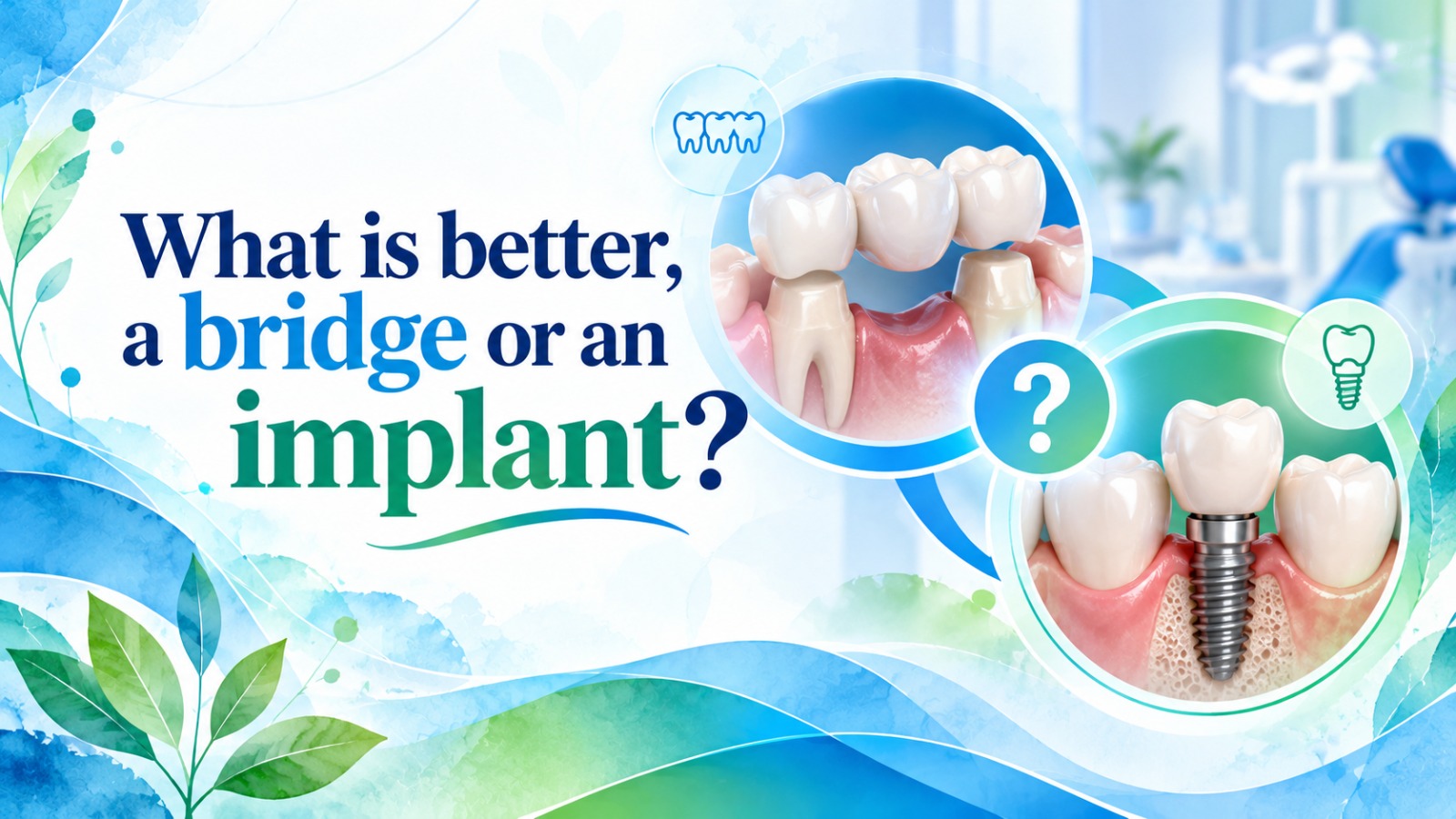
Dental Bridge or Implant: Which Option Fits Your Situation?
Neither a bridge nor an implant is automatically better. How neighbouring teeth, bone, treatment time and maintenance should shape your choice.
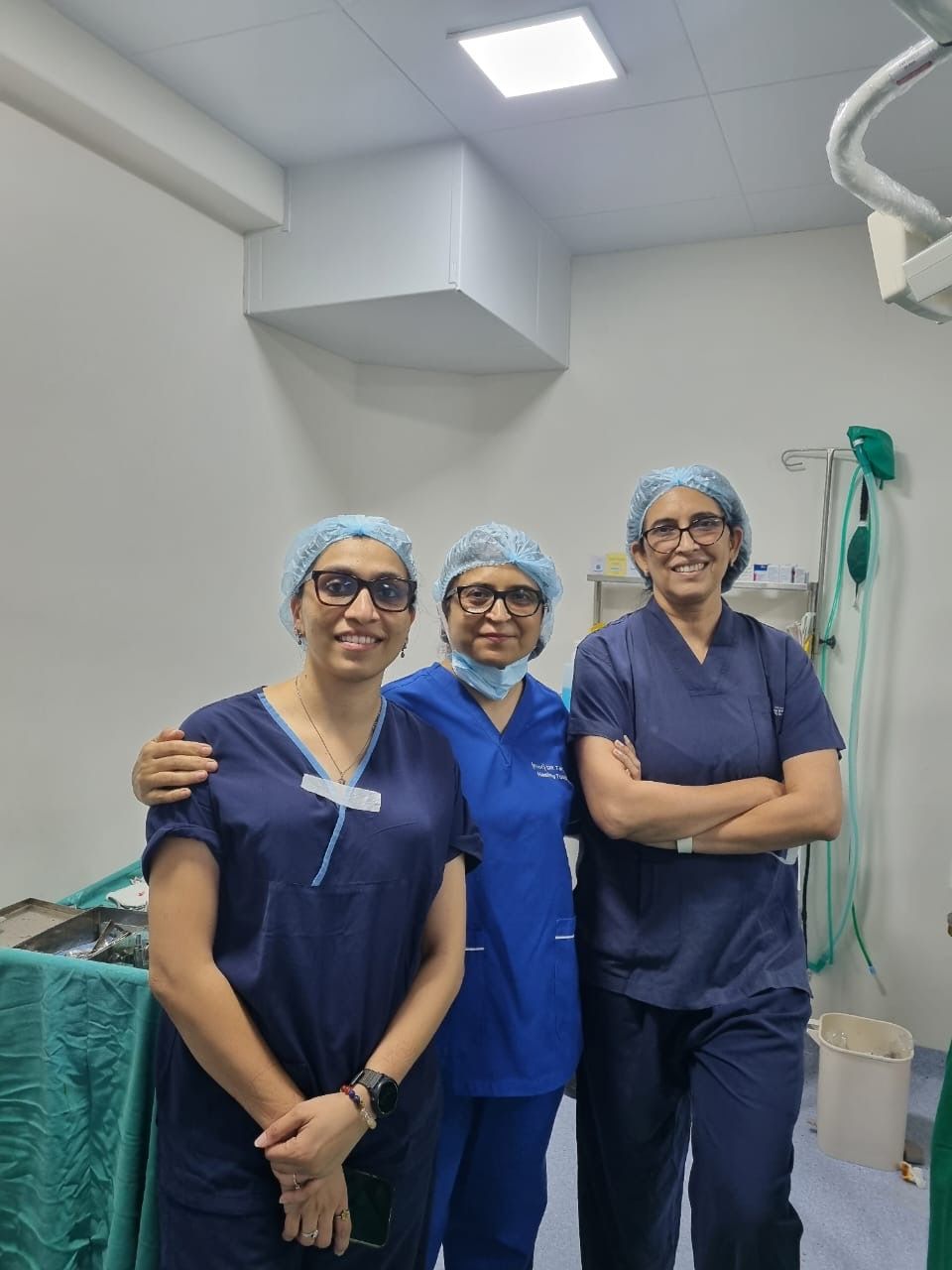
Women in Surgery
From a changing room that did not exist to an all-women surgical team — how the role of women in oral and maxillofacial surgery has changed in one career.