
Various Faces of TMD: How I Assess, and the Role of Medical Intuition in My Practice
Humming ears, twitching eyes, shooting lip pain — TMD can be baffling. How a 45-minute biopsychosocial interview changes the picture.
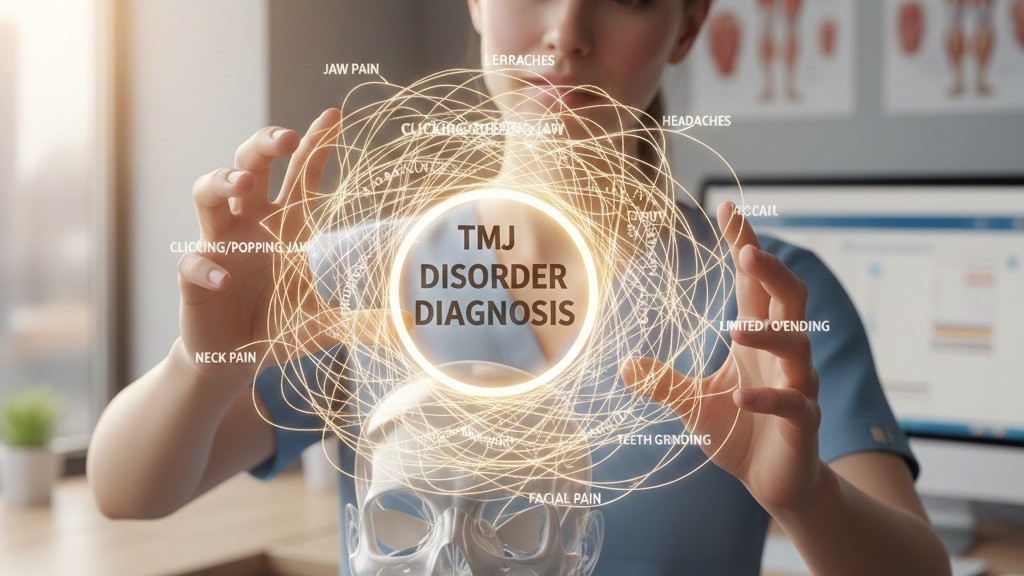
In the last 20 years of clinical practice no other condition comes close to the sense of intrigue and amazement as TMD. With varied symptomatology, the clinical presentations can be baffling as much for the clinicians as to the patient.
TMD can present itself commonly as humming, drumming sounds in the ear, momentary deafness to reduced hearing from one ear, to twitching or pulling sensations of one or both the eye balls.
It can appear as sharp shooting shock-like pain on the upper lip just below the nostril, to a scratching sensation on the border of the tongue.
While clicking and grating sounds are easy to relate, the headaches, toothaches and earaches can be really confusing.
Quite often one comes across a patient with a whole stack of investigations — MRI, CT scans, audiometry, several blood tests, middle ear surgeries — all of no avail to the patient.
With this hazy clinical picture, what does one do as a clinician to help this being who is visibly suffering, yet the ailment is so intangible that it's difficult to catch?
How do I look at it: through the lens of the biopsychosocial model
My interview with the patient, which generally lasts about 45 mins, includes a thorough history which has quite a few questions on overall state of well being, at the same time some questions which point towards how this overall state of happiness (or lack of it) is affecting their systemic health — back pains, neck pains, IBS, mouth ulcers, migraine headaches, sleeplessness, allergies, thyroid related issues.
Keep reading
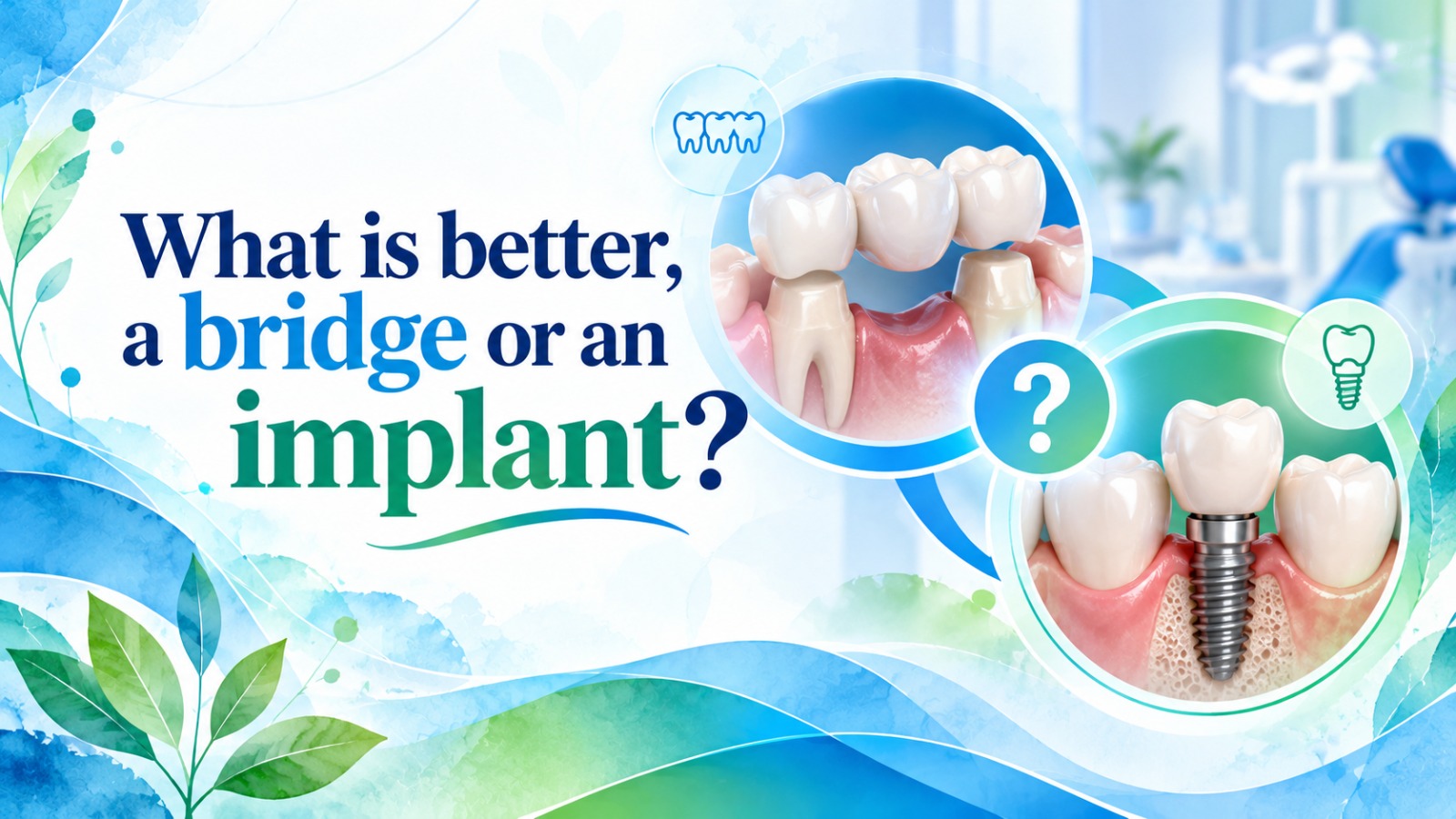
Dental Bridge or Implant: Which Option Fits Your Situation?
Neither a bridge nor an implant is automatically better. How neighbouring teeth, bone, treatment time and maintenance should shape your choice.
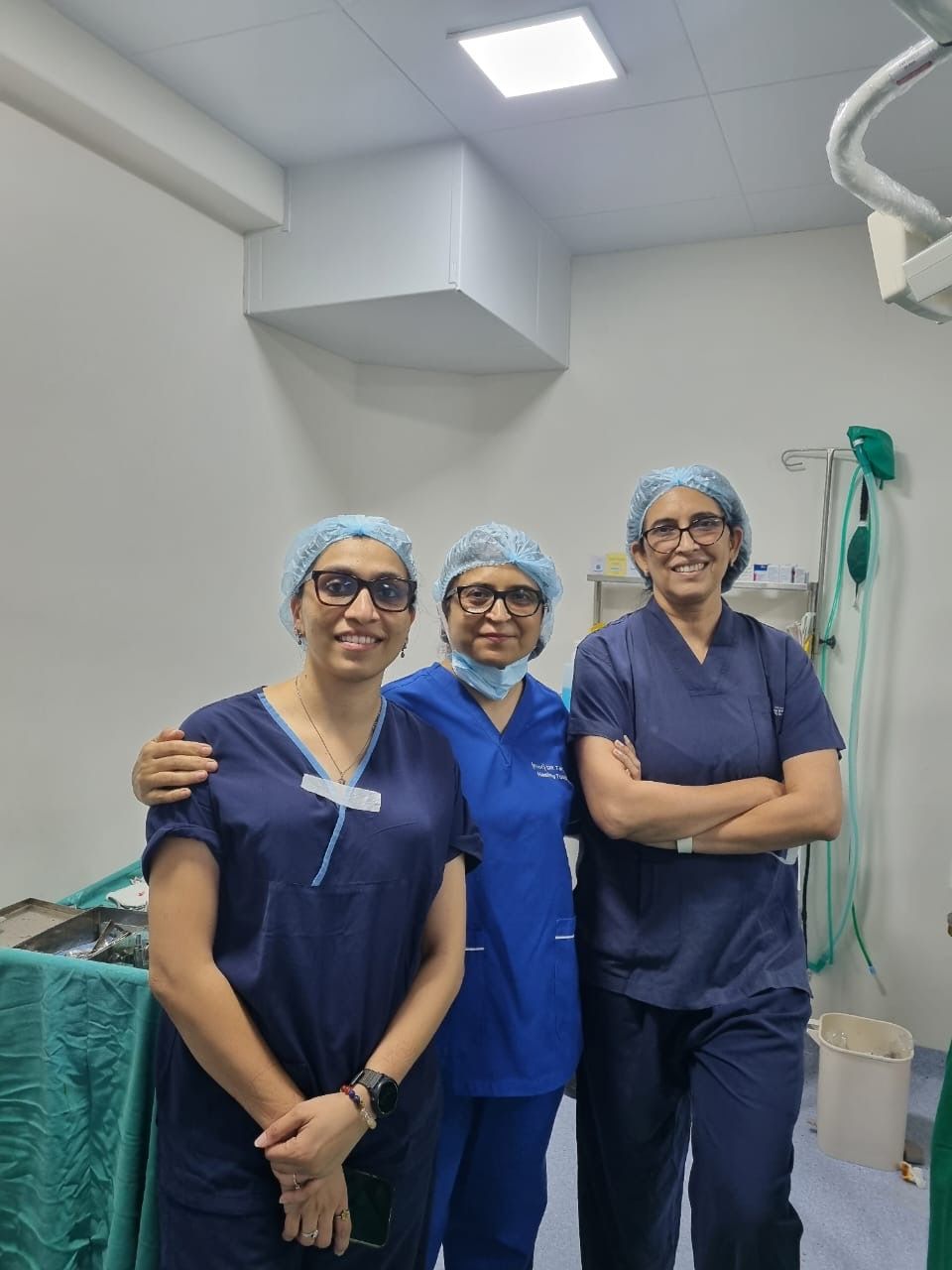
Women in Surgery
From a changing room that did not exist to an all-women surgical team — how the role of women in oral and maxillofacial surgery has changed in one career.