
TMJ Ankylosis: Research on Surgery and Recovery After Treatment
A published study co-authored by (Prof) Dr. Taranjit Kaur explains what drives TMJ ankylosis, the surgical approaches used and why postoperative physiotherapy matters.
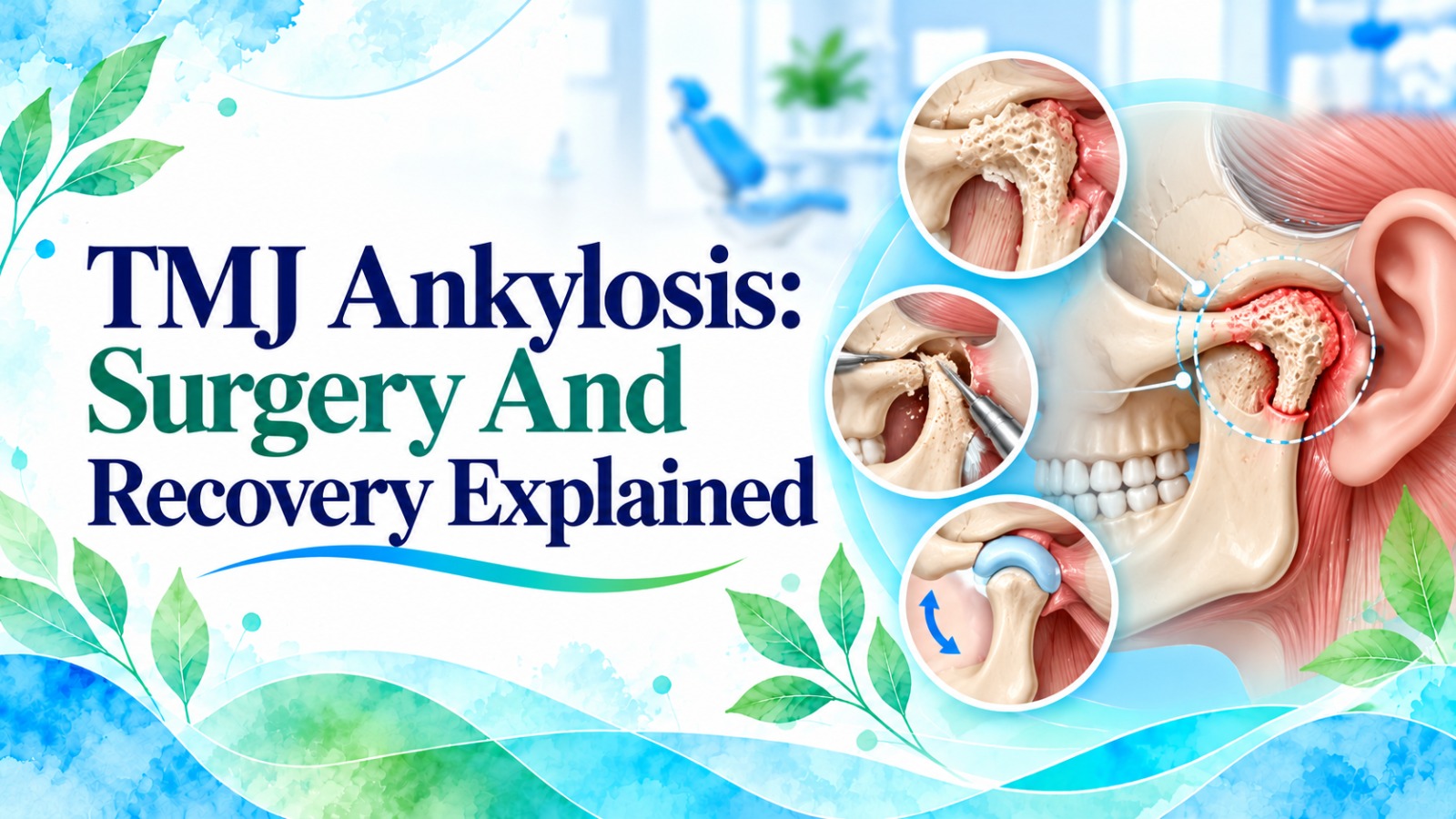
Difficulty opening the mouth can affect everyday activities such as eating, speaking and maintaining oral hygiene. One possible cause is temporomandibular joint (TMJ) ankylosis, a condition in which the jaw joint becomes severely restricted because of abnormal fibrous or bony fusion.
A research paper co-authored by (Prof) Dr. Taranjit Kaur examined the factors associated with TMJ ankylosis, the surgical approaches used to treat it and the importance of follow-up after surgery.
Published in the Journal of Maxillofacial and Oral Surgery in 2015, the study reviewed patient records and examined long-term outcomes following surgical treatment.
One important message from the research was that surgery is only part of the treatment process. Postoperative exercises and continued follow-up also play an important role in maintaining jaw movement.
What Is TMJ Ankylosis?
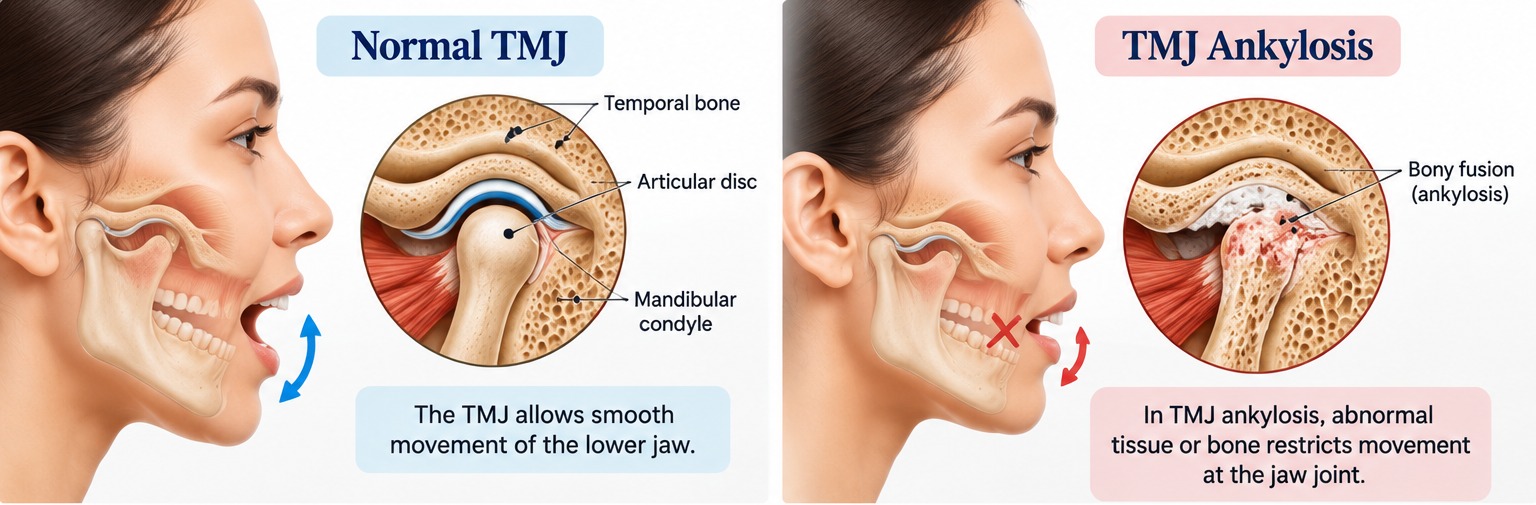
The temporomandibular joint connects the lower jaw to the skull. It allows the mouth to open and close during activities such as chewing and speaking.
TMJ ankylosis occurs when abnormal tissue or bone formation restricts movement at this joint. In severe cases, a person may struggle to open their mouth, eat comfortably or maintain proper oral hygiene.
When the condition develops during childhood, it can also interfere with normal facial growth and lead to facial asymmetry.
TMJ ankylosis is different from common jaw clicking or many other forms of TMJ disorder. Restricted mouth opening can have several causes, so a clinical examination is needed to determine what is happening.
TMJ Disorder or TMJ Ankylosis? Understanding the Difference
The two conditions are often confused, but they are not the same. TMJ disorder (TMD) is an umbrella term for problems affecting the joint and the muscles that move it. Typical features include clicking or grating sounds, pain around the joint or ear, headaches and moments when the jaw feels stiff — yet the joint surfaces themselves usually remain mobile.
TMJ ankylosis is different. Here, abnormal fibrous or bony tissue fuses the joint surfaces together, so the jaw genuinely cannot open. In bony ankylosis there is little or no movement at all, rather than a click that comes and goes. This distinction matters because the two conditions are assessed, investigated and treated very differently.
The difference is especially important in children. A child who has restricted mouth opening, avoids chewing on one side, or complains that it hurts to open the mouth should be examined rather than watched. Untreated ankylosis during the growing years can affect facial growth, leading to asymmetry, and can make everyday functions such as eating and keeping the mouth clean progressively harder.
It is particularly important to see an oral and maxillofacial surgeon if a child has had a recent fall, especially one landing on the chin. When children fall while playing they often hurt their chin — and with it, the jaw joints on both sides. The child may feel that opening the mouth is painful or difficult. If this situation is ignored, and the child is not examined and investigated properly, the injury can, over time, lead to limited mouth opening caused by TMJ ankylosis. An early assessment after such an injury gives the treating team the best chance of protecting normal jaw movement and facial growth.
Learn more about TMJ disorder treatment at Healing Touch CentreAbout the Research Co-Authored by (Prof) Dr. Taranjit Kaur
The paper was titled “Factors Influencing Treatment Plan and Post Operative Compliance in TMJ Ankylosis Patients: A Retrospective Analysis of Long Term Post Surgical Evaluation”.
It was co-authored by:
- (Prof) Dr. Taranjit Kaur
- Gopal Krishnan
- Abhimanyu Sharma
The researchers reviewed records of 60 patients treated between 1992 and 2000. Of these, 28 returned for a delayed follow-up assessment.
The study examined several factors, including:
- The age at which the condition first developed
- The age at which patients sought surgical treatment
- Possible causes of TMJ ankylosis
- The surgical procedures used
- Jaw opening following surgery
- Recurrence and adherence to postoperative physiotherapy
The purpose was to understand how these factors related to treatment planning and long-term outcomes.
What Did the Study Find?
The research offered several observations about TMJ ankylosis and its surgical management.
1. The Condition Could Begin Years Before Treatment
The study reported an average age of approximately 4.7 years at the onset of the condition. The average age at presentation for treatment was approximately 16.2 years.
This gap suggests that some patients in the study lived with restricted jaw movement for many years before receiving surgical treatment.
These figures describe the patients included in this particular study. They should not be interpreted as the usual timeline for every person with TMJ ankylosis.
2. Trauma and Childhood Ear Infections Were Important Factors
The researchers identified trauma as an important cause of TMJ ankylosis in their patient group. Childhood middle-ear infection was another cause discussed in the study.
Previous injuries, particularly those involving the chin or jaw, can be relevant when investigating the history of restricted mouth opening.
However, the cause cannot be determined from symptoms alone. A clinician needs to assess the patient's history, examination findings and appropriate imaging.
3. The Researchers Evaluated Different Surgical Approaches
The paper examined three surgical approaches used in the management of TMJ ankylosis.
Gap Arthroplasty
This procedure involves removing the fused area to create space and improve movement at the joint.
Interpositional Arthroplasty
This approach creates space at the joint and places a suitable material between the surfaces to help reduce the risk of the bones joining again.
Low Ramus Osteotomy
This procedure involves surgery on the lower part of the mandibular ramus, a section of the lower jaw.
The authors reported that gap arthroplasty and interpositional arthroplasty produced effective results in their patient group.
The findings should be interpreted in the context of the study's design and the patients who returned for follow-up. They do not establish that one procedure is the best option for every patient.
Why Is Physiotherapy Important After TMJ Surgery?
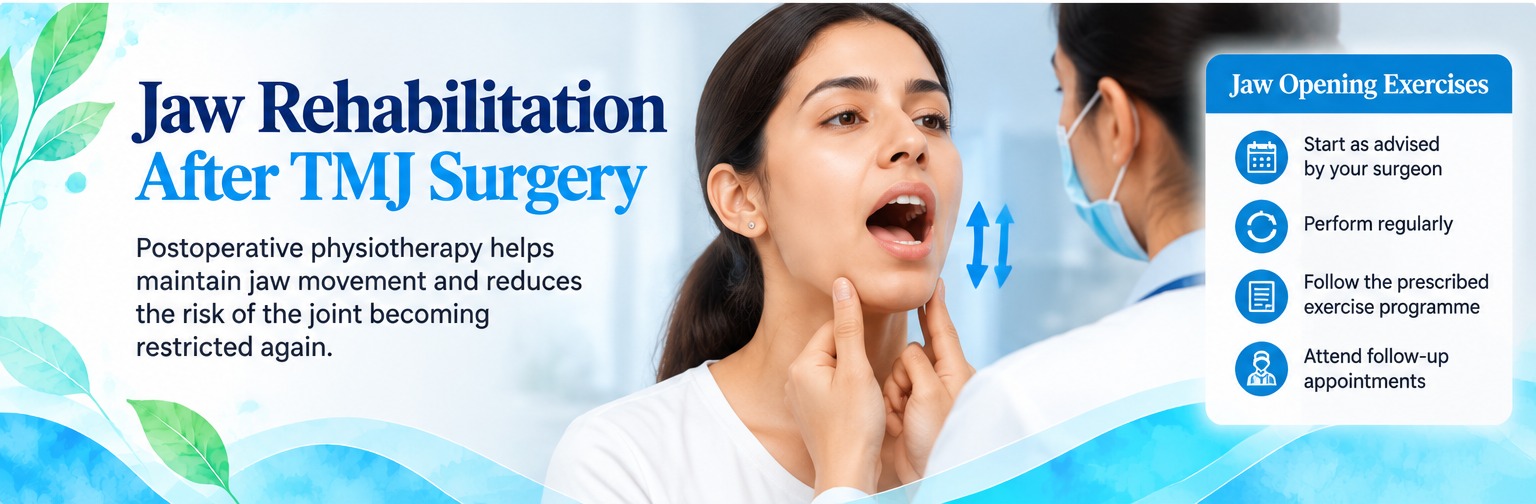
One of the key messages from this research was the importance of postoperative physiotherapy.
After surgery, the jaw needs time to recover. Prescribed mouth-opening exercises may help patients maintain movement and reduce the risk of the joint becoming restricted again.
The exercises, their timing and their frequency depend on the operation performed and the patient's condition. Patients should follow their surgeon's instructions rather than attempting forceful exercises on their own.
The researchers emphasised that patients needed to follow their postoperative exercise programme to help maintain the results of surgery.
In simple terms, the operation and the recovery plan work together. Follow-up appointments allow the treating team to assess progress and address problems when needed.
What Can Patients Learn From This Research?
Although the study focused on a specific condition, it offers useful lessons about the assessment and treatment of restricted jaw movement.
Do not ignore persistent difficulty opening the mouth. It can have several causes, and an assessment can help identify the underlying problem.
Treatment needs individual planning. The patient's history, the extent of joint involvement and the findings from clinical assessment all influence treatment decisions.
Recovery does not end when surgery is complete. Following rehabilitation instructions and attending recommended reviews are important parts of postoperative care.
Long-term results need monitoring. Symptoms and jaw movement should be reviewed as advised by the treating surgeon.
These points are particularly relevant when TMJ ankylosis has developed during childhood or has caused long-standing restrictions in jaw movement.
Understanding the Limitations of the Research
The study provides useful observations, but it is important to understand its limitations.
It was a retrospective study, meaning the researchers reviewed existing patient records rather than conducting a new prospective trial. Only 28 of the 60 patients returned for delayed follow-up.
The patients had been treated between 1992 and 2000. Surgical techniques, diagnostic tools and clinical practices have continued to develop since then.
The findings therefore should not be used alone to predict an individual's outcome or decide which operation they need. Current treatment decisions require an appropriate clinical assessment and consideration of the patient's specific condition.
Read the Original Research Paper
Readers who would like to explore the study in more detail can access the original publication online.
- Research title: Factors Influencing Treatment Plan and Post Operative Compliance in TMJ Ankylosis Patients: A Retrospective Analysis of Long Term Post Surgical Evaluation
- Authors: Taranjit Kaur, Gopal Krishnan and Abhimanyu Sharma
- Journal: Journal of Maxillofacial and Oral Surgery, 2015, Volume 14, Issue 1, Pages 17–23
- DOI: 10.1007/s12663-013-0612-6
Keep reading

How Long Does Dental Implant Recovery Take? Healing Stages Explained
From the first 24 hours to osseointegration: the healing stages after dental implant surgery, what is normal, and when to call your dentist.
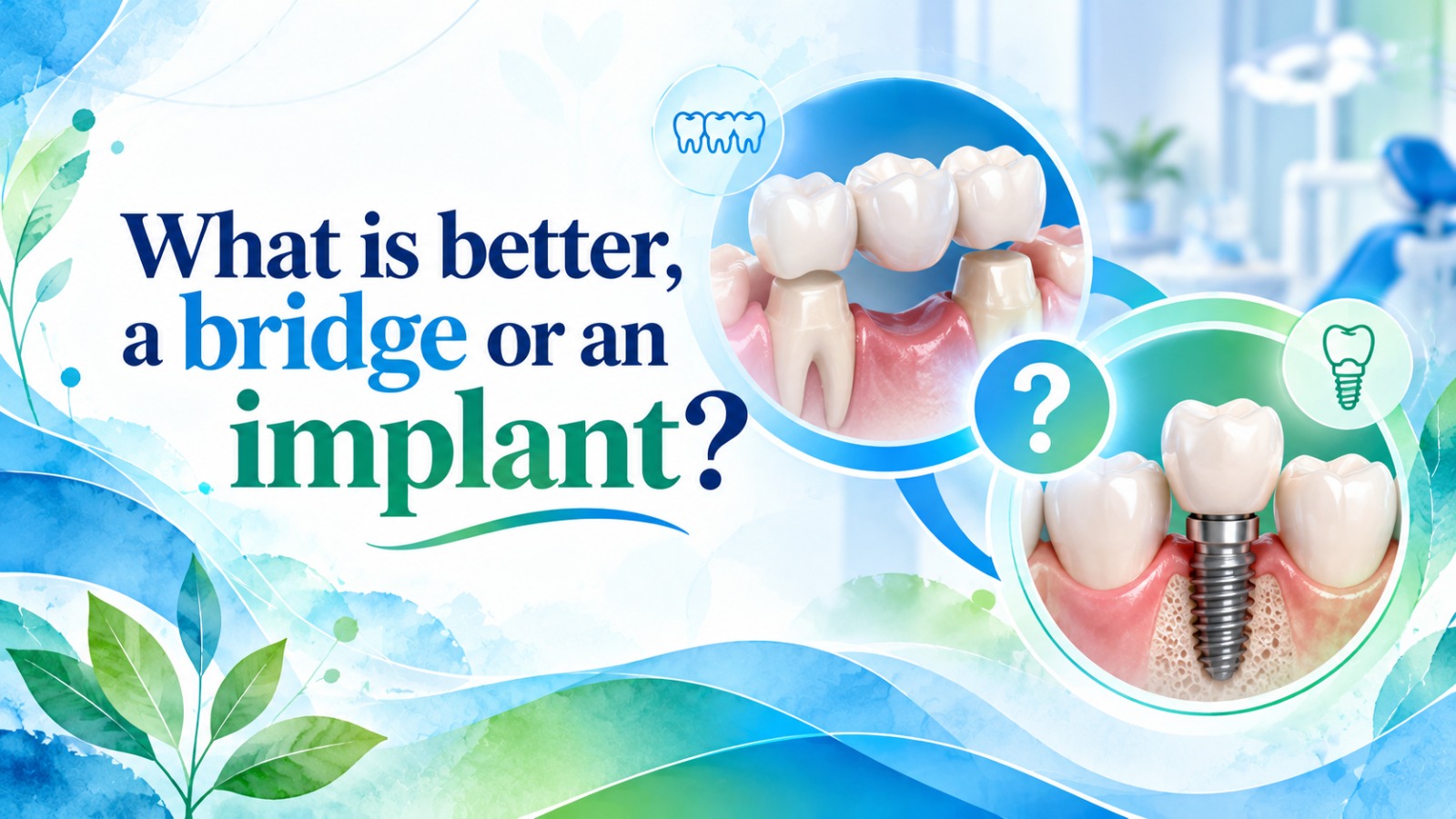
Dental Bridge or Implant: Which Option Fits Your Situation?
Neither a bridge nor an implant is automatically better. How neighbouring teeth, bone, treatment time and maintenance should shape your choice.