
How Long Does Dental Implant Recovery Take? Healing Stages Explained
From the first 24 hours to osseointegration: the healing stages after dental implant surgery, what is normal, and when to call your dentist.
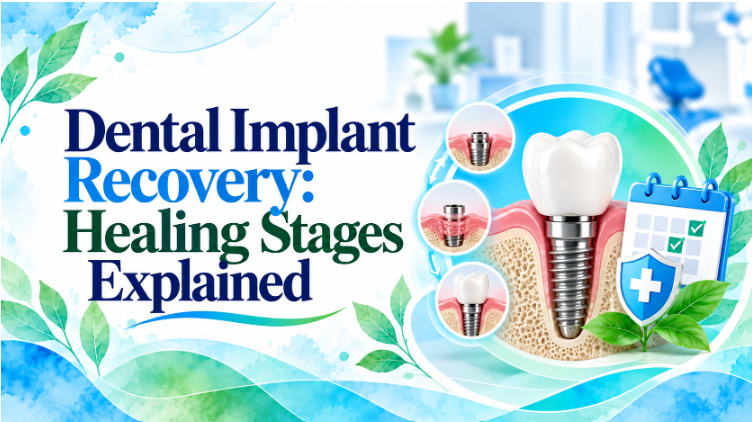
Most people feel considerably better within about a week after dental implant surgery, but complete healing takes longer. The gums begin healing during the first one to two weeks, while the jawbone may take several months to integrate with the implant. This deeper process, called osseointegration, is what helps create a stable foundation for the replacement tooth.
Recovery also depends on the number of implants, bone condition, whether grafting was needed and your general health.
Understanding the different healing stages can help you recognise what is expected, protect the surgical area and know when to contact your dentist.
Dental Implant Recovery Timeline: What to Expect
Dental implant recovery happens in overlapping stages. The following timeline gives a general indication after implant placement, not a fixed schedule for every patient.
| Recovery Stage | Typical Timeframe | What Happens |
|---|---|---|
| Initial recovery | First 24 hours | The surgical area begins healing; mild bleeding, tenderness and swelling may occur |
| Early inflammation | Days 2–3 | Swelling and discomfort may become more noticeable before improving |
| Symptoms settling | Days 4–7 | Pain and swelling generally begin to reduce |
| Early gum healing | 1–2 weeks | Soft tissues continue closing and settling; stitches may be reviewed or removed |
| Continued tissue and bone healing | Following weeks | The gums mature while bone continues healing around the implant |
| Osseointegration | Often several months | Bone establishes a stable connection with the implant |
| Final restoration | When clinically appropriate | The final crown, bridge or denture can be fitted according to the treatment plan |
Some patients may receive a temporary tooth earlier, while others require a longer staged approach.
The timeline for completing implant treatment is not necessarily the same as the time needed to recover comfortably from surgery.
Stage 1: The First 24 Hours After Implant Surgery
The first day focuses on protecting the surgical site.
During dental implant placement, the dentist positions an implant fixture in the jawbone. Depending on the technique, the gum may be repositioned and stitches may be placed.
As the local anaesthetic wears off, you may notice tenderness or aching around the treated area.
Some minor bleeding or blood-stained saliva can occur. Early swelling is also possible.
What Should You Do During the First Day?
Follow the specific postoperative instructions provided by your dentist. These may include:
- Resting and avoiding unnecessary physical strain
- Eating soft foods that do not require heavy chewing
- Avoiding direct pressure on the implant site
- Taking prescribed or recommended medication as directed
- Avoiding smoking and tobacco
- Avoiding vigorous rinsing, forceful spitting or disturbing the wound during the immediate postoperative period
- Using a wrapped cold pack if recommended
Do not repeatedly touch the area with your tongue or fingers to check whether the implant feels stable.
The surgical site needs to remain undisturbed while early healing begins.
Stage 2: Days 2–3 — Swelling and Tenderness
Swelling may be more noticeable on the second or third day after implant surgery.
This does not automatically indicate a complication.
Inflammation is part of the body's response to surgery. The surrounding tissues react to the procedure as healing begins.
Some patients experience:
- Swelling around the treated area
- Mild facial bruising
- Gum tenderness
- Discomfort while chewing
- Temporary difficulty opening widely if surgery involved a larger area
The extent varies.
Someone receiving one straightforward implant may experience relatively little swelling. A patient undergoing several implants, extraction and grafting may have a more noticeable recovery.
What matters is the overall pattern. Symptoms may initially increase, but should generally begin settling rather than becoming progressively worse.
Pain that becomes severe, swelling that continues increasing or a new fever should be reported to the treating dentist.
Stage 3: Days 4–7 — Early Improvement
During the remainder of the first week, many patients notice that discomfort and swelling are gradually improving.
Eating and speaking may become more comfortable, although the area can remain tender.
Normal daily activities may also become easier.
However, feeling better does not mean the implant has completed healing.
The gum tissues are still recovering, and the bone around the implant has only begun the longer process of integration.
Avoid interpreting the absence of pain as permission to chew hard foods directly over the implant or ignore postoperative restrictions.
What About Pain During This Stage?
Mild discomfort can be expected during early recovery. It should generally improve rather than become increasingly intense.
If you want a more detailed explanation of the pain associated with placement, anaesthesia and postoperative discomfort, read Is Dental Implant Surgery Painful? What to Expect Before and After.
Persistent or worsening pain needs assessment rather than repeated self-treatment with painkillers.
Stage 4: Weeks 1–2 — Gum Healing and Follow-Up
By the end of the first or second week, the gums have often made substantial progress in healing.
The surgical area may appear less swollen and become easier to keep clean.
However, healing is not identical for everyone. Gum tissue may take longer to settle, particularly after more extensive surgery.
When Are Implant Stitches Removed?
Some stitches dissolve naturally, while others need removal.
Depending on the surgical technique and type of suture, a postoperative review may be arranged around 7–14 days after treatment.
During the appointment, the dentist may assess:
- The condition of the gum tissues
- Wound closure
- Swelling or tenderness
- Oral hygiene
- Whether stitches need removal
- Whether additional instructions are required
A follow-up visit should not be skipped simply because the area no longer hurts.
Stage 5: The Following Weeks — Healing Beneath the Gums
Once the initial discomfort has settled, the patient may feel that recovery is complete.
But the tissues beneath the gum are still changing.
The implant was placed into living jawbone, which must respond to the surgery and establish a stable biological connection with the fixture.
During this period, the implant may be left beneath the gum or have a healing component extending through it, depending on the surgical approach.
The dentist may recommend avoiding excessive pressure on the area while healing continues.
A temporary restoration, when provided, may also require particular care.
It is possible to feel comfortable during everyday activities while the implant remains in an active stage of bone healing.
That is why implant readiness cannot be judged by discomfort alone.
Stage 6: Osseointegration — When Does the Implant Fully Integrate With Bone?
Osseointegration is the biological process through which living jawbone establishes direct contact with the implant surface, helping it become stable enough to support a dental restoration.
This process develops over weeks and months.
Cleveland Clinic describes bone integration as taking approximately three to nine months, although the actual duration varies according to the individual case.
An implant does not immediately become biologically integrated simply because it feels firmly positioned at surgery.
Two kinds of stability are relevant:
- Primary stability: The mechanical stability achieved when the implant is initially placed.
- Secondary stability: The biological stability that develops as the surrounding bone heals and integrates with the implant.
An implant can therefore feel firm immediately after placement without having completed osseointegration.
The clinician decides when it is appropriate to proceed with the next restorative stage based on the treatment plan and clinical findings.
Why Does Bone Healing Take Longer Than Gum Healing?
Gums and jawbone are different tissues.
The gums may close and look relatively normal while bone remodelling continues deeper around the implant.
The body's process of replacing and reorganising bone takes time.
This distinction explains why a patient may have little pain after the first week but still need to wait months before a final crown is fitted.
When Is the Final Dental Implant Crown Placed?
The final crown is placed when the implant and surrounding tissues are considered ready for the planned restoration.
In a conventional staged approach, this usually follows an appropriate healing and integration period.
The dentist may then proceed with the abutment and final crown, bridge or denture.
However, not every implant follows the same schedule.
Can a Temporary Tooth Be Placed Immediately?
Sometimes.
In selected situations, a temporary tooth or restoration may be provided on the day of surgery or during early healing.
This is not the same as saying the implant has already completed osseointegration.
Immediate restoration or loading depends on factors such as implant stability, bone quality, bite forces and the overall treatment design.
A temporary tooth may also need to be protected from direct chewing forces.
The fastest restoration schedule is not automatically the most appropriate one.
What Can Make Dental Implant Recovery Take Longer?
Several factors can influence both early recovery and the overall treatment timeline.
Bone Grafting or Sinus Lift Procedures
Some patients do not have enough suitable jawbone for straightforward implant placement.
A bone graft may be performed before or during implant surgery.
If grafting is performed as a separate stage, healing may be required before the implant can be placed.
A sinus lift may also be considered in selected upper-jaw cases.
These procedures can extend the overall treatment timeline, although they do not necessarily mean that every stage will involve prolonged pain.
Tooth Extraction Before Implant Placement
If a damaged tooth needs removal before an implant, the extraction site may require healing.
In selected cases, the implant may be placed immediately after extraction. In others, delayed placement may be more appropriate.
The amount of infection, condition of the socket, available bone and planned restoration influence the decision.
Number and Complexity of Implants
Placing one implant is different from planning several implants or full-arch rehabilitation.
More extensive procedures may involve larger surgical areas, additional bone support procedures and more complex temporary restorations.
Medical Conditions and Medications
Medical history can influence surgical planning and healing.
Conditions such as poorly controlled diabetes may increase the risk of complications. Certain medications and treatments affecting bone metabolism or immune function also require careful assessment.
Tell the dentist about all prescribed medicines, supplements and medical conditions.
Do not stop or change prescribed medication without appropriate medical advice.
Smoking and Tobacco Use
Smoking is an important modifiable risk factor.
Tobacco exposure can interfere with wound healing and is associated with a greater risk of dental implant complications and failure.
A 2024 systematic review and meta-analysis published in the Journal of Dentistry found a significant association between smoking and early implant failure.
Avoiding tobacco during healing is therefore an important part of implant care. If you smoke, discuss cessation support and the recommended tobacco-free period with your treating clinician.
Gum Health and Oral Hygiene
Healthy surrounding tissues are important during healing.
Existing periodontal disease, poor plaque control or inflammation around the implant may complicate treatment.
Follow the cleaning instructions provided by your dental team and attend recommended reviews.
How Can You Support Healing After Dental Implant Surgery?
You cannot force osseointegration to happen faster, but you can avoid behaviours that interfere with normal healing.
Follow the Prescribed Aftercare Instructions
The advice may differ depending on whether the procedure involved one implant, multiple implants, extraction, bone grafting or another surgical technique.
Instructions from your treating dentist should take priority over generic recovery schedules found online.
Choose Foods That Are Comfortable to Eat
Soft foods are often more comfortable during early recovery.
Avoid hard, crunchy or sticky foods that could place unwanted pressure on the surgical area.
As healing progresses, your dentist can guide you on when to return to your usual diet and whether chewing directly on a temporary restoration is appropriate.
Keep Your Mouth Clean
Oral hygiene remains important after implant placement.
You may need to avoid brushing directly over the surgical wound initially while continuing to clean the rest of your mouth.
The dentist may recommend a particular cleaning technique or mouth rinse for a defined period.
Do not assume that vigorous brushing or repeated rinsing will make the area heal faster.
Take Medicines as Directed
Use prescribed medication according to the instructions provided.
Do not independently extend antibiotics or increase painkiller doses because you feel that recovery is slower than expected.
If your pain medication is not controlling discomfort, contact your dentist.
Avoid Excessive Pressure on the Surgical Site
Do not test implant stability by pushing or biting on the implant or healing component.
If a temporary tooth or denture has been provided, follow the instructions for its use.
Pressure that is suitable for a fully restored implant may not be appropriate during early healing.
When Can You Return to Work and Exercise?
The appropriate timing depends on the extent of surgery, type of work, use of sedation and how you feel afterward.
A person with a desk job may be able to resume some routine activities sooner than someone whose work involves heavy lifting or significant physical exertion.
Strenuous exercise may increase bleeding or swelling during early recovery.
More extensive procedures can require additional rest.
For detailed guidance on activity planning, see When Can You Return to Work and Exercise After a Dental Implant?.
The treating clinician should provide instructions appropriate to your procedure rather than relying on a fixed number of rest days for everyone.
Normal Healing vs Warning Signs After Dental Implant Surgery
Mild postoperative symptoms can be expected, but some changes need prompt attention.
| Common Early Recovery Findings | Symptoms That Need Dental Assessment |
|---|---|
| Mild tenderness that gradually improves | Pain becoming significantly worse |
| Swelling during the first few days | Increasing swelling after initial improvement |
| Minor blood-stained saliva | Persistent or heavy bleeding |
| Mild bruising | Fever or feeling increasingly unwell |
| Temporary discomfort while chewing | Pus, a new unpleasant discharge or worsening bad taste |
| Mild sensitivity around the surgical area | A loose implant or healing component |
A small amount of early discomfort is not a reliable sign that something has gone wrong.
Likewise, a lack of pain does not prove that the implant has integrated successfully.
If you notice a change in implant stability, increasing pain, persistent bleeding or other concerning symptoms, contact your dentist.
Difficulty breathing or swallowing, rapidly spreading facial or neck swelling, or uncontrolled significant bleeding requires emergency medical care.
How Do Dentists Check Whether an Implant Has Healed Properly?
Healing is assessed through clinical follow-up rather than symptoms alone.
The dentist may evaluate:
- Gum healing around the surgical site
- Signs of infection or inflammation
- Stability of the implant or its components
- Soft-tissue condition
- Bite and restoration requirements
- Imaging where clinically indicated
- Whether the implant is ready for the planned restorative stage
Not every follow-up visit requires an X-ray or scan.
The examination and treatment stage determine what information is needed.
A patient should not try to confirm implant integration by pushing, twisting or biting forcefully on the implant.
Frequently Asked Questions About Dental Implant Recovery
Is It Normal to Have No Pain After Implant Surgery?
Yes. Some patients experience very little discomfort, particularly after straightforward procedures. Others have more noticeable soreness or swelling. The amount of pain alone does not determine whether the implant is healing successfully.
Can an Implant Fail Even If the Gums Look Healed?
Yes. The gum surface can appear healed while problems with implant integration or surrounding bone remain. Clinical follow-up is necessary to assess implant health and readiness for restoration.
Can Dental Implant Stitches Dissolve on Their Own?
Yes. Some stitches are absorbable and dissolve naturally. Others require removal by the dentist. Your dental team should explain which type was used and whether a follow-up appointment is needed.
Will I Be Without a Tooth While the Implant Heals?
Not necessarily. A temporary tooth, bridge or removable replacement may be considered depending on the position of the missing tooth and treatment plan. Temporary restorations must be designed to avoid inappropriate pressure during healing.
Does Age Affect Dental Implant Recovery?
Age alone does not determine whether an implant will heal successfully. Bone condition, gum health, medical history, medications and general healing capacity are more useful considerations.
Can I Travel During Dental Implant Recovery?
Travel plans should be discussed before surgery, particularly if treatment involves grafting, multiple implants, sedation or a planned review. The dentist can explain what early healing and follow-up may require before you travel.
What If My Healing Abutment Feels Loose?
Contact the treating dentist. A loose healing abutment does not necessarily mean the implant fixture has failed, but it should be professionally assessed. Do not attempt to tighten it yourself.
Planning Dental Implant Treatment in Madgaon, Goa
Dental implant recovery is not identical for every patient.
Some people recover comfortably from the initial procedure within several days, while others need a longer period of postoperative care.
The deeper process of bone integration usually continues well beyond the time when swelling and soreness have settled.
At (Prof) Dr. Taranjit Kaur's Healing Touch Centre in Madgaon, Goa, implant treatment planning considers the available jawbone, gum health, medical history, restorative requirements and whether additional procedures may affect the treatment timeline.
(Prof) Dr. Taranjit Kaur, BDS, MDS, FIBOMS, brings more than 25 years of clinical and academic experience in Oral & Maxillofacial Surgery and dental implantology.
If you are considering replacing a missing tooth, understanding the likely stages of healing can help you plan treatment with realistic expectations.
Learn more about dental implant treatment in Madgaon, or arrange a consultation to discuss your individual treatment plan and anticipated recovery.
(Prof) Dr. Taranjit Kaur's Healing Touch Centre, Shop 37, Upper Ground Floor, Vasant Arcade, Comba, Madgaon, Goa 403601. Phone: +91 87889 47831. Book a Dental Implant Consultation.
Keep reading
Dental Bridge or Implant: Which Option Fits Your Situation?
Neither a bridge nor an implant is automatically better. How neighbouring teeth, bone, treatment time and maintenance should shape your choice.
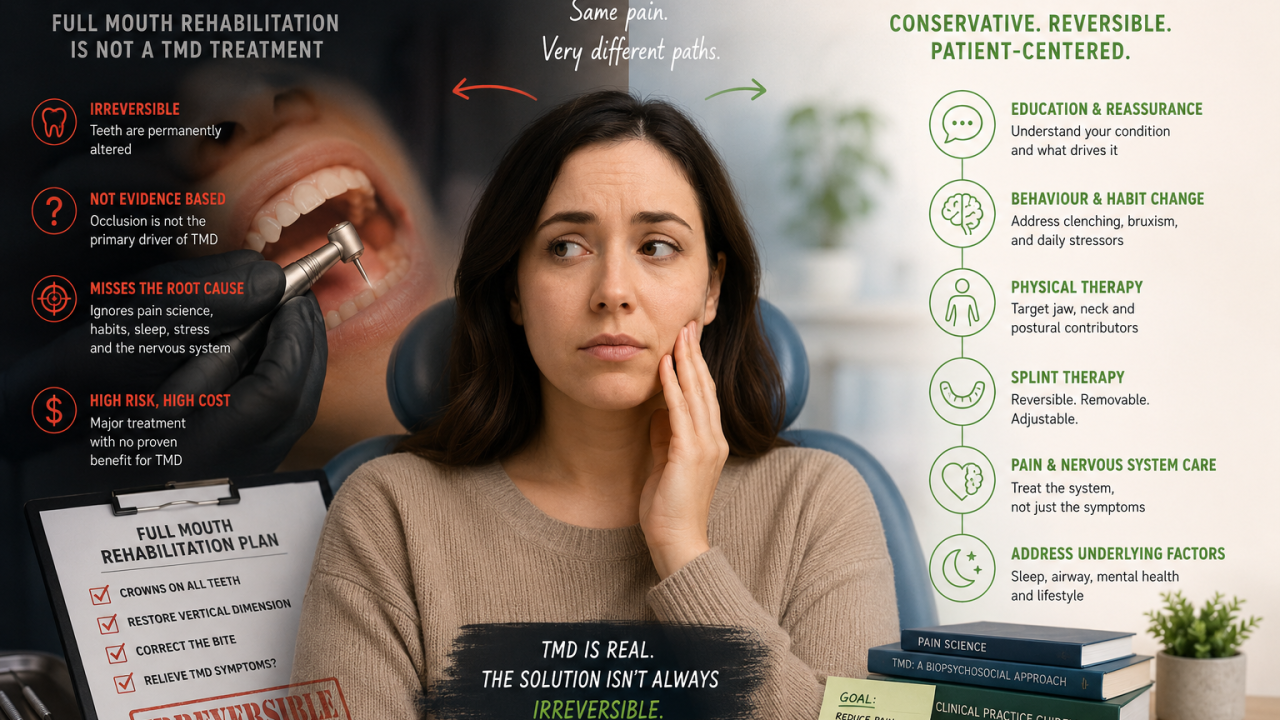
Is Bite Correction a Recommended Treatment Option for Patients with Jaw Pain?
Why full-mouth rehabilitation is not an evidence-based cure for TMD — and what the guidelines actually recommend for jaw pain.