
Choosing a Dentist for Your Goa Visit: What Should You Check?
Verified qualifications, a written treatment plan, the full cost, clinic standards, travel timing and aftercare: nine checks to make before booking dental treatment in Goa.
If you are considering dental treatment during a visit to Goa, choose your dentist based on verified qualifications, a clear treatment plan, transparent costs and reliable aftercare—not simply an attractive package or a convenient holiday schedule.
Before booking flights or paying a deposit, find out who will treat you, what treatment is being recommended, how many appointments you may need, what the full cost includes and how follow-up will work after you return home.
These checks are particularly important for treatments such as dental implants, crowns, bridges, veneers and complex oral surgery, where planning and recovery may extend beyond a short visit.
1. Start With the Dental Problem, Not a Treatment Package
Begin by understanding what your teeth and gums actually need.
If you already have a dentist at home, discuss your plans with them before travelling. They may be able to explain your existing dental condition, review previous treatment and help you understand whether the proposed procedure is appropriate.
Collect any recent dental X-rays, scans, photographs, treatment records or written recommendations that may help the dentist assess your case.
Share Your Medical History, Medications and Allergies
Your general health is an important part of dental treatment planning, particularly if you are considering extractions, dental implants or oral surgery.
Before travelling, inform the dentist about any existing medical conditions, previous hospitalisations, major surgeries and known allergies, especially to medications or anaesthetics. Share a complete list of medicines you currently take, including blood thinners, supplements and regular injections.
**Older adults and patients receiving treatment for osteoporosis (weak bones) should be particularly careful to mention their medications.** Some osteoporosis treatments, such as bisphosphonates and denosumab (Prolia), may affect decisions about certain dental procedures. Denosumab for osteoporosis is commonly given as an injection once every six months.
These medicines are associated with a rare complication involving the jawbone, particularly following invasive dental procedures such as tooth extractions. Tell your dentist the medication name, how long you have been receiving treatment and the date of your last injection. Your dentist may need to coordinate with your treating physician before planning surgery.
**Do not stop or postpone prescribed osteoporosis medication without consulting your treating doctor.**
Understand Your Diagnosis Before Agreeing to Treatment
Be cautious about choosing a procedure before the problem has been properly diagnosed. A patient looking for a replacement tooth, for example, may have several possible options depending on the condition of the neighbouring teeth, gums, jawbone and overall medical health.
A remote consultation can help a clinic understand your concerns, review available records and identify what additional information may be needed. However, photographs and existing X-rays do not always provide enough information for a definitive diagnosis or final treatment plan. An in-person examination and additional imaging may be necessary.
**What to ask:**
- What is the diagnosis, and what findings support it?
- What treatment options are available?
- What are the benefits, limitations and risks of each option?
- Could my medical conditions or current medications affect the proposed treatment?
- What could happen if I delay treatment?
- Will the final plan depend on an examination after I arrive?
A dentist should be able to explain the reasoning behind a recommendation, consider your medical history where relevant and discuss suitable alternatives rather than simply offering a package of procedures.
2. Verify the Dentist's Qualifications and Registration
Before choosing a clinic, find out the name of the dentist who will assess you and the clinician who will perform each major procedure.
Dentistry includes different areas of practice. Experience with routine restorative treatment does not automatically establish experience with complex implant surgery or other specialist procedures.
Check the dentist's qualifications, relevant training and professional registration. For a dentist practising in India, you can start with the [official Indian Dentists Register](https://dciindia.gov.in/DentistDetails.aspx) and seek clarification from the relevant State Dental Council if an entry or credential is unclear.
If a dentist describes themselves as a specialist, ask about the specific qualification and training supporting that description. Look for experience relevant to your proposed procedure rather than relying only on a general claim of years in practice.
**Questions worth asking:**
- Who will carry out my treatment?
- What are their qualifications and registration details?
- How much experience do they have with this particular procedure?
- Will a specialist be involved if my case requires one?
- Who will manage my case if more than one dentist is involved?
You should be able to understand who is responsible for your care before you commit to treatment.
3. Ask for a Written Treatment Plan Before You Book
A written treatment plan gives you something concrete to review, question and compare.
It should explain the proposed treatment and why it has been recommended. Depending on your case, it may include the diagnosis, the teeth or areas involved, the sequence of procedures, materials, expected appointments, possible alternatives and relevant risks.
For complex treatment, ask for the plan to distinguish between what is already indicated and what might only become necessary after an examination or during treatment.
For example, an implant proposal may depend on the available bone, gum health and whether an extraction or bone graft is required. If these details have not yet been assessed, the clinic should explain that the proposal is preliminary.
Do not feel obliged to accept a plan immediately. Take time to read it, ask questions and seek another professional opinion if something remains unclear.
The [General Dental Council's guidance on going abroad for dental treatment](https://www.gdc-uk.org/standards-guidance/information-for-patients-public/going-abroad-for-dental-treatment) provides a useful list of questions patients can ask before making a decision.
4. Compare the Full Cost, Not Just the Advertised Price
The price advertised for a dental procedure may not represent the total amount you will spend.
Request an itemised estimate and check exactly what is included. Depending on the proposed treatment, the total may involve consultations, imaging, extractions, temporary restorations, laboratory work, materials, medication, follow-up appointments or additional procedures.
Travel and accommodation are separate considerations unless the clinic explicitly includes them in a written arrangement.
Before comparing two estimates, make sure you are comparing similar treatment plans. A lower price may reflect a different procedure, different materials, a different number of appointments or items that are excluded from the quote.
| Cost to Check | Question to Ask |
|---|---|
| Consultation and imaging | Are examinations, X-rays or scans included? |
| Main procedure | Which exact treatment and how many teeth are covered? |
| Materials and laboratory work | Which materials or components are proposed? |
| Temporary restorations | Will temporary teeth, crowns or dentures cost extra? |
| Additional procedures | What if an extraction or bone graft becomes necessary? |
| Follow-up and adjustments | Are planned reviews and adjustments included? |
| Complications or corrective care | What costs might arise if further treatment is needed? |
| Travel and accommodation | What will I need to arrange and pay for separately? |
Also ask about deposits, cancellation terms, refunds and any written warranty. Read the conditions carefully: a warranty may have exclusions, and it may not cover travel expenses or treatment provided by another dentist.
For a more detailed breakdown, see our planned guide, **Dental Treatment During a Goa Visit: What Should Your Budget Include?.**
5. Ask About Clinic Standards and Infection Prevention
A website, clinic photograph or attractive treatment room cannot, by itself, establish how safely dental procedures are carried out.
Ask the clinic how it manages instrument cleaning and sterilisation, how single-use items are handled and what infection-prevention procedures apply to the treatment you are considering.
You should also know where your procedure will take place and whether the proposed setting is appropriate for its complexity.
If your treatment involves surgery, sedation or significant medical considerations, ask how the clinical team assesses your suitability and responds if a complication occurs. The answer should reflect the actual procedure being planned.
Do not assume that a general claim of advanced equipment or international standards proves that a clinic meets every requirement relevant to your case. Ask specific questions and request clarification when necessary.
6. Confirm How Many Visits You Need and How Long to Stay in Goa
Your travel dates should accommodate the treatment plan—not dictate it.
Some dental procedures can be completed in a single visit, while others require several appointments, healing periods or staged treatment. The exact schedule depends on the diagnosis, the procedure and how your tissues respond.
Dental implants are a good example. The initial surgery and early recovery are only part of the process; the implant may need a period of bone integration before the final restoration is fitted. You can read more in our guide to [dental implant recovery time](/blog/dental-implant-recovery-time).
Before booking flights, ask the dentist:
- How many appointments are anticipated?
- How far apart do the appointments need to be?
- How long should I plan to remain in Goa?
- Will I need a review before travelling home?
- Could the treatment require an additional visit if healing takes longer than expected?
- When can I reasonably resume work, exercise or sightseeing?
- Are there procedure-specific precautions about flying?
No single travel schedule suits every dental procedure. The dentist should advise you on recovery and travel based on your planned treatment and individual circumstances.
Avoid building an itinerary that leaves no room for a review, an adjustment or an unexpected change in the treatment plan.
7. Arrange Aftercare Before You Leave Home
Aftercare should be discussed before you travel, not only after the procedure has been completed.
Ask who you can contact if you develop pain, swelling, bleeding or another concern while you are in Goa. Find out what follow-up is expected after you return home and whether you may need further appointments with a local dentist.
It is also sensible to ask whether your regular dentist is willing to review you after treatment abroad. This is particularly relevant if you expect to need ongoing maintenance or staged restorative treatment.
Before leaving the clinic, request copies of the records that another dentist may need, including:
- A written summary of the treatment performed
- Copies of relevant X-rays, scans or clinical photographs, where available
- Details of materials and implant components used, where applicable
- Medication instructions and prescriptions
- Postoperative instructions
- Details of any planned follow-up or outstanding treatment
Keep these records in a format you can access easily and share with your dentist at home.
The [CDC's medical tourism guidance](https://www.cdc.gov/yellow-book/hcp/health-care-abroad/medical-tourism.html) highlights the value of obtaining medical records and arranging follow-up care when treatment takes place abroad.
Our planned companion article, **After Dental Treatment Abroad: How to Arrange Care When You Return Home,** will cover this part of the journey in more detail.
8. Check Communication and Make Sure You Can Speak to the Dentist
You should be able to understand the proposed treatment, ask questions and make an informed decision without feeling rushed.
If a clinic uses a coordinator to arrange appointments, that can be helpful for logistics. However, clinical questions about diagnosis, risks, alternatives and treatment decisions should be answered by an appropriately qualified dental professional.
Before agreeing to treatment, make sure you understand:
- What will happen during each stage?
- What are the main risks and possible complications?
- What alternatives are available?
- What are the limitations of the proposed treatment?
- What happens if the clinical findings differ from the preliminary assessment?
- Who should you contact if you need clarification later?
Ask for explanations in a language you understand. If you need an interpreter, establish how this will be arranged before the appointment.
Informed consent means understanding what is being proposed and having a genuine opportunity to decide. You should not feel pressured to agree to additional procedures simply because you have travelled a long way.
9. Read Reviews, Check the Clinic's Policies and Watch for Warning Signs
Independent reviews can help you understand other patients' experiences, but they should be only one part of your decision.
Look for detailed feedback about communication, treatment planning, follow-up and how concerns were handled. Reviews about the same type of treatment may be more relevant than general comments about the clinic.
Photographs and testimonials can provide context, but they cannot establish whether a treatment plan is appropriate for your particular dental condition.
Before paying a deposit, make sure you understand the clinic's payment terms, cancellation policy, complaint process and arrangements for managing complications or additional treatment.
Be cautious if you encounter any of these warning signs:
- The clinic will not clearly identify the treating dentist.
- Qualifications or registration details cannot be verified.
- You are offered extensive treatment without a clear explanation of the diagnosis.
- The clinic refuses to provide a written plan or itemised estimate.
- Risks, alternatives or aftercare are dismissed as unimportant.
- You are promised a guaranteed result without meaningful discussion of limitations.
- You are pressured to pay immediately or make a decision before your questions are answered.
A clinic that gives you time to understand your options makes it easier to make a considered decision.
Your Before-Booking Checklist
Before arranging dental treatment in Goa, check that you can answer the following questions:
- Do I know the name and qualifications of the dentist who will treat me?
- Have I checked their professional registration?
- Do I understand my diagnosis and why the treatment is recommended?
- Have I received a written treatment plan and itemised estimate?
- Do I understand the materials, stages and likely number of appointments?
- Have I checked what is included and excluded from the quoted price?
- Have I planned enough time for treatment, recovery and any necessary reviews?
- Do I know how aftercare will be arranged once I return home?
- Have I checked whether my insurance covers any relevant treatment or complications?
- Do I know how to obtain my records and contact the clinic if a concern arises?
- Have I shared my medical history, previous hospitalisations, allergies, current medications and any osteoporosis injections with the dentist?
If several answers are still unclear, pause before booking. You can ask the clinic for more information or seek another professional opinion.
Choosing a Dentist for Your Goa Visit: A Practical Next Step
Goa may be a convenient destination for someone considering dental treatment while travelling, but the decision should begin with the clinical need and the suitability of the proposed care.
Check the dentist's qualifications, understand the treatment plan, compare the full cost and arrange follow-up before you commit to travel. These steps help you plan with more realistic expectations and make an informed choice.
At **(Prof) Dr. Taranjit Kaur's Healing Touch Centre in Madgaon, Goa**, Dr. Taranjit Kaur holds BDS, MDS in Oral & Maxillofacial Surgery, Implantology and FIBOMS qualifications, with more than 25 years of clinical experience.
If you are considering dental treatment during a visit to Goa, you can explore our [dental tourism service](/dental-tourism) and contact the clinic to discuss your concerns, the information needed for assessment and the next steps before making travel arrangements.
**[Dental Care For Tourists in Madgaon](/dental-tourism)**
Keep reading

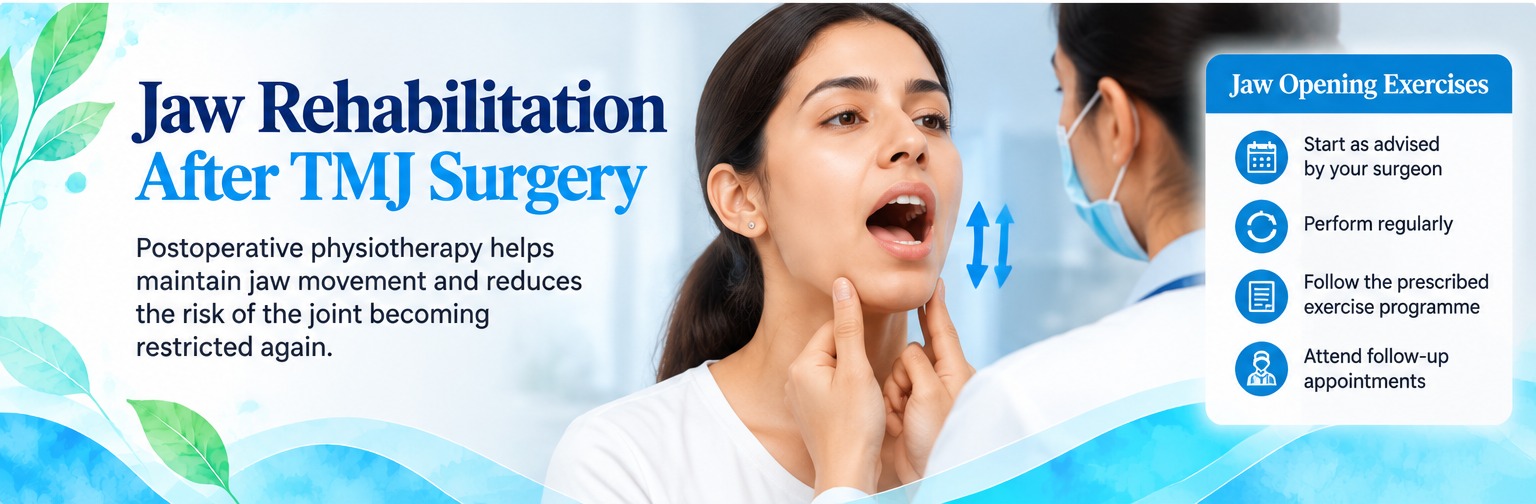
TMJ Ankylosis: Research on Surgery and Recovery After Treatment
A published study co-authored by (Prof) Dr. Taranjit Kaur explains what drives TMJ ankylosis, the surgical approaches used and why postoperative physiotherapy matters.
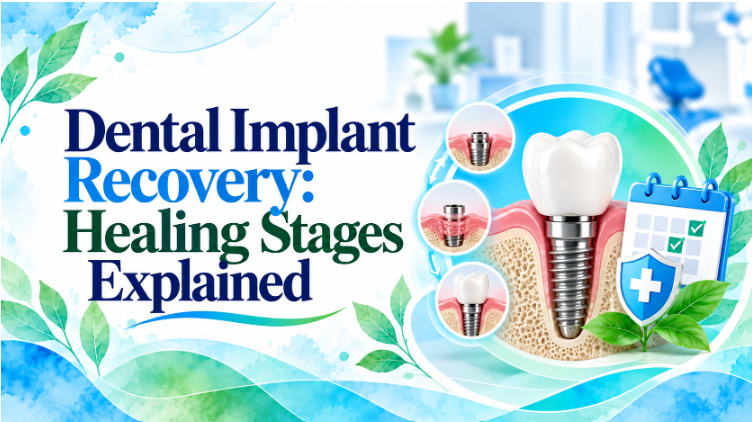
How Long Does Dental Implant Recovery Take? Healing Stages Explained
From the first 24 hours to osseointegration: the healing stages after dental implant surgery, what is normal, and when to call your dentist.