
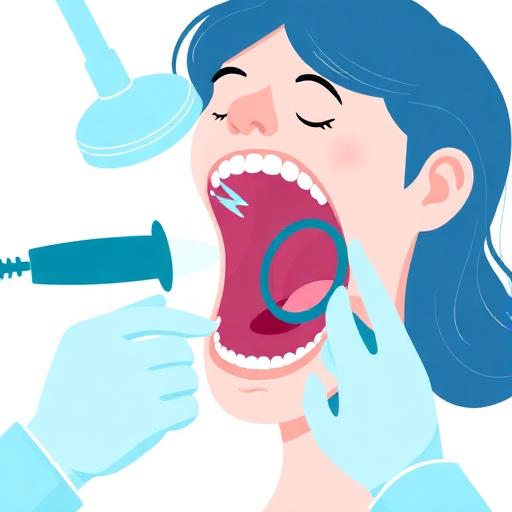
A confirmed diagnosis when examination alone is not enough
An ulcer, lump, patch or growth in the mouth that has not resolved, or that a clinical examination cannot fully explain, often needs more than a visual assessment to be diagnosed with confidence.
An oral biopsy removes a small sample of tissue from the area of concern and sends it for laboratory analysis, replacing uncertainty with a confirmed, evidence-based diagnosis.
At Dr Taranjit Kaur's Healing Touch Centre in Comba, Madgaon, oral biopsy is carried out as a minor surgical procedure under local anaesthesia, planned to obtain a reliable sample with minimal discomfort.
Dr Taranjit Kaur brings more than 25 years of experience in Oral & Maxillofacial Surgery and is a Fellow of the Indian Board of Oral & Maxillofacial Surgeons (FIBOMS), with particular expertise in the diagnosis and biopsy of oral soft tissue and bony lesions.
What can an oral biopsy diagnose?
Yes. An oral biopsy can confirm the exact nature of a lesion in the mouth, distinguishing between infection, irritation, benign growths and conditions that need active treatment or ongoing monitoring.
Whether a biopsy is needed, and which technique is used, depends on the lesion's appearance, location, size and how long it has been present.
An oral biopsy is commonly used to assess:
- Ulcers or sores that have not healed within two to three weeks
- White or red patches on the gums, tongue, cheek or palate
- Lumps, swellings or growths of unclear cause
- Lesions found incidentally on an X-ray, involving bone
- Areas of unexplained thickening, hardness or colour change
- A lesion that is enlarging, bleeding or changing in appearance
The goal is not simply to remove tissue for its own sake. The goal is to reach a definitive diagnosis that allows the right treatment or monitoring plan to be confidently recommended.
Do you need an oral biopsy?
The decision follows a proper clinical assessment, not a guess
Not every lesion in the mouth requires a biopsy, but certain features make laboratory confirmation the responsible next step rather than continued observation.
A careful approach examines the lesion thoroughly first, recommending biopsy where it will genuinely change or confirm the diagnosis, rather than as a routine default.
An oral biopsy may be recommended if you have:
- A mouth ulcer or sore present for more than two to three weeks
- A white or red patch that has not resolved with simple measures
- A lump or swelling in the gums, tongue, cheek, palate or floor of the mouth
- A lesion associated with tobacco, betel nut, alcohol use or persistent irritation
- A growth that is firm, fixed, bleeding or rapidly changing
- A bony lesion identified on a dental X-ray requiring further characterisation
- Ongoing uncertainty after a clinical examination alone
Your consultation is the right place to have any concerning area properly assessed and, where appropriate, biopsied.
How is an oral biopsy performed?
The procedure is planned to be quick, precise and as comfortable as possible
1. Consultation and examination
Your appointment begins with a clinical examination of the lesion, a review of your history, and a discussion of why a biopsy is being recommended.
2. Local anaesthesia
The area around the lesion is numbed thoroughly, so the biopsy itself is generally no more uncomfortable than a routine dental procedure.
3. Tissue sampling
A small sample of tissue is carefully removed from the lesion, either in part (incisional biopsy) or in its entirety (excisional biopsy), depending on the size and nature of the area.
4. Wound closure
The biopsy site is typically closed with a small number of dissolvable or removable stitches to support comfortable healing.
5. Laboratory analysis
The tissue sample is sent to a laboratory for histopathological examination by a specialist pathologist.
6. Results and follow-up
Once results are available, your diagnosis is explained clearly, along with the recommended treatment or monitoring plan going forward.
What happens after a biopsy result comes back?
The next step follows directly from the diagnosis
Once a confirmed diagnosis is available, the appropriate next step is planned around it. Many biopsy results turn out to be benign, requiring no further treatment beyond routine review. Others may point to a condition that needs active treatment, closer monitoring, or coordinated referral for further specialist care.
This is why an accurate, laboratory-confirmed diagnosis matters. Deciding on treatment without one risks either unnecessary intervention or a missed diagnosis that needed timely attention.
Your results and recommended next step will be explained clearly, so you understand not only the diagnosis itself but what it means for your ongoing care.
Why choose Dr Taranjit Kaur for an oral biopsy?
Specialist surgical training matters for an accurate, well-tolerated procedure
Oral and maxillofacial surgery expertise
Safely sampling oral soft tissue and bony lesions requires surgical training specific to the anatomy of the mouth and jaw, including areas close to nerves and blood vessels.
FIBOMS credential and diagnostic focus
Dr Taranjit Kaur is a Fellow of the Indian Board of Oral & Maxillofacial Surgeons (FIBOMS), with particular expertise in oral pathology and biopsy procedures.
More than 25 years of experience
Recognising which lesions warrant biopsy, selecting the right technique, and obtaining a diagnostically adequate sample comes from extensive clinical experience.
A precise, minimally invasive approach
Biopsies are planned to remove only the tissue needed for accurate diagnosis, limiting discomfort and supporting straightforward healing.
Clear explanations at every stage
You will understand why a biopsy is recommended, what the procedure involves, and what your results mean once they are available.
Recovery care after an oral biopsy
Simple aftercare supports comfortable healing
Recovery from an oral biopsy is generally straightforward, with a few habits supporting the best outcome.
Helpful habits include:
- Avoiding hot, spicy or hard foods for the first day or two
- Rinsing gently with warm salt water as advised
- Taking any prescribed medication as directed
- Avoiding disturbing the biopsy site with your tongue, fingers or a toothbrush
- Attending your follow-up appointment for stitch removal, if needed
- Reporting persistent bleeding, swelling or pain promptly
- Awaiting your results calmly, and contacting the clinic if you have questions in the meantime
Consistent aftercare supports comfortable healing while your results are being finalised.
Frequently Asked Questions About Oral Biopsy
Is an oral biopsy painful?
With local anaesthesia, the biopsy itself is generally not painful, and any mild soreness afterwards is usually manageable with simple pain relief.
How long does a biopsy take?
The procedure itself is usually brief, often completed within the same appointment as your consultation and examination.
How long does it take to get results?
Laboratory turnaround varies, and your clinician will let you know the expected timeframe and how your results will be shared with you.
Will I need stitches after a biopsy?
Often, yes. A small number of dissolvable or removable stitches are commonly used to close the biopsy site and support healing.
Does a biopsy mean the lesion is likely to be serious?
No. A biopsy is a diagnostic step, not an indication of a particular outcome. Most biopsy results turn out to be benign.
What happens if the biopsy result needs further treatment?
If treatment is needed, your clinician will explain the diagnosis clearly and discuss the appropriate next steps, including referral for specialist care if required.
Can the whole lesion be removed during the biopsy?
In some cases, yes, particularly for smaller lesions. Your clinician will advise whether an incisional or excisional biopsy is more appropriate for your specific lesion.
Where is the clinic located?
Dr Taranjit Kaur's Healing Touch Centre is located at Shop 37, Upper Ground Floor, Vasant Arcade, Comba, Madgaon, Goa 403601.
Get a confirmed diagnosis with a specialist-led oral biopsy
An unexplained ulcer, patch or growth deserves a confirmed answer, not continued uncertainty.
Start with a consultation at Dr Taranjit Kaur's Healing Touch Centre in Madgaon for a thorough assessment and, where needed, a precise, well-explained oral biopsy.
Dr Taranjit Kaur's Healing Touch Centre Shop 37, Upper Ground Floor, Vasant Arcade, Comba, Madgaon, Goa 403601
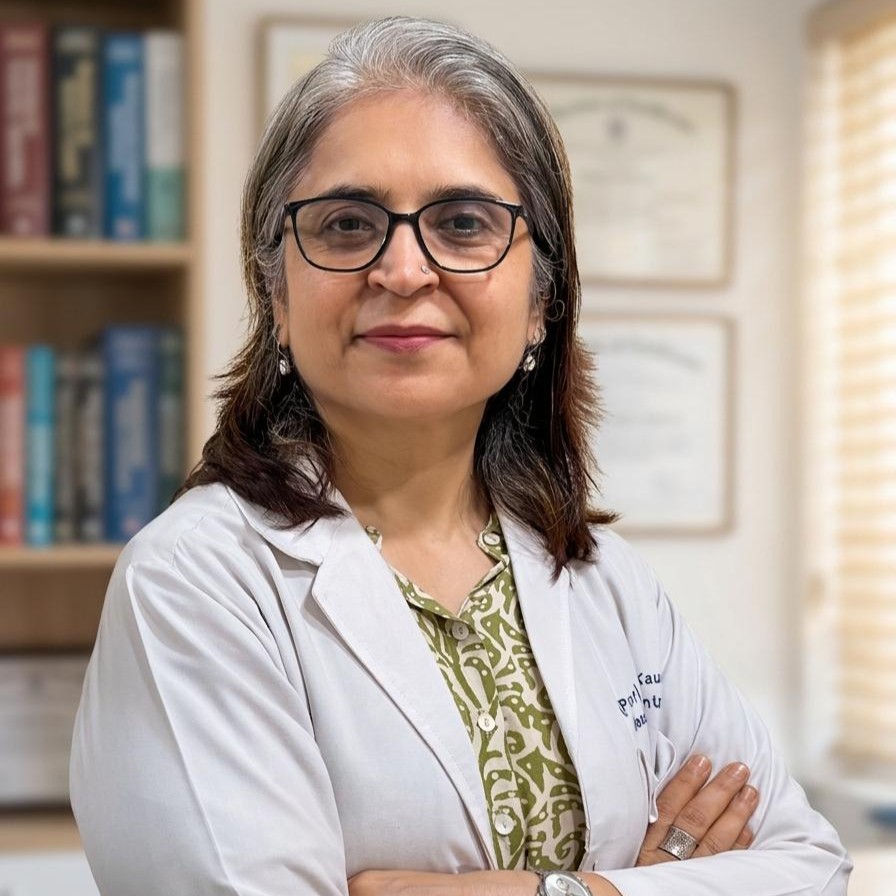
Dr. Taranjit Kaur
Oral & Maxillofacial Surgeon · FIBOMS
Healing Touch Centre, Comba, Madgaon
Discuss your treatment options
Share a few details and the clinic will get back to you with a suitable appointment time.