
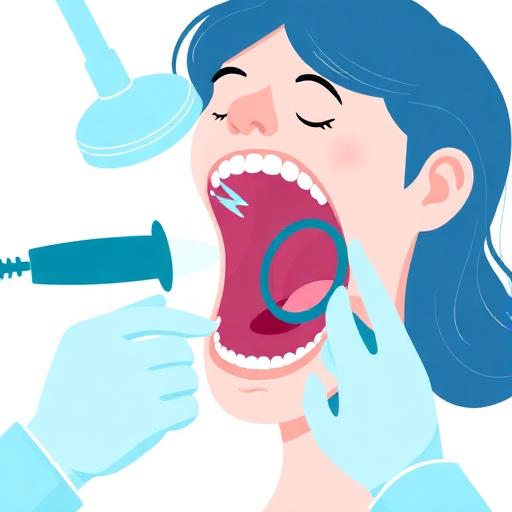
Getting a clear, accurate answer for an unexplained lesion
Finding a lump, ulcer, white patch, red patch or other unusual growth in your mouth can be unsettling, particularly when you have no idea how long it has been there or what it means.
Oral lesions vary widely in cause, from minor irritation and infection to conditions that need closer monitoring or active treatment. Without a proper examination, it is impossible to know which category yours falls into.
At Dr Taranjit Kaur's Healing Touch Centre in Comba, Madgaon, oral lesion diagnosis is approached methodically, using clinical examination and, where needed, biopsy to reach an accurate answer rather than a guess.
Dr Taranjit Kaur brings more than 25 years of experience in Oral & Maxillofacial Surgery and is a Fellow of the Indian Board of Oral & Maxillofacial Surgeons (FIBOMS), with particular expertise in diagnosing oral soft tissue and bony lesions.
Can an oral lesion be accurately diagnosed?
Yes. Most oral lesions can be accurately diagnosed through a combination of clinical examination, relevant history and, where indicated, a biopsy sent for laboratory analysis.
The right diagnostic approach depends on the lesion's appearance, location, duration and your individual risk factors.
Oral lesion diagnosis usually includes:
- A detailed clinical examination of the lesion and surrounding tissue
- A review of how long the lesion has been present and any changes over time
- Assessment of relevant habits and medical history
- Imaging, if the lesion involves underlying bone or deeper structures
- A biopsy and laboratory analysis where further certainty is needed
The goal is not only to describe what a lesion looks like. The goal is to reach a confirmed diagnosis that allows the right treatment or monitoring plan to follow.
Do you need an oral lesion diagnosis?
Almost any unexplained lesion is worth having assessed
Many lesions in the mouth are minor and resolve on their own, but distinguishing these from lesions that need closer attention is not always possible by appearance alone.
A responsible approach examines the lesion properly rather than reassuring you without a proper look, or alarming you without adequate assessment.
An oral lesion diagnosis may be relevant if you have:
- Any lump, swelling or growth in the mouth, gums, tongue or cheek
- A white, red or mixed-colour patch that has not resolved
- An ulcer or sore present for more than two to three weeks
- A lesion that is growing, changing in appearance, or bleeding
- Pain, numbness or altered sensation associated with a lesion
- A lesion found incidentally on an X-ray or during another dental visit
- General concern about any change in your mouth, even without pain
Your consultation is the right place to have any lesion properly examined and explained.
How is an oral lesion diagnosed?
The process moves methodically toward an accurate answer
1. Consultation and history
Your appointment begins with a discussion of when the lesion was noticed, how it has changed, and any relevant habits or medical history.
2. Clinical examination
The lesion is examined closely for its size, colour, texture, borders and relationship to surrounding tissue.
3. Imaging, if needed
If the lesion appears to involve bone or deeper structures, X-rays or further imaging may be recommended.
4. Biopsy, if indicated
Where the clinical picture is not conclusive, a small tissue sample may be taken under local anaesthesia and sent for laboratory analysis.
5. Diagnosis and explanation
Once findings are available, the diagnosis is explained clearly, including what it means and what, if anything, needs to happen next.
6. Treatment or monitoring plan
Depending on the diagnosis, this may involve active treatment, simple monitoring, or referral for further specialist input.
What happens after a lesion is diagnosed?
The next step depends entirely on what is found
Once a clear diagnosis is reached, the appropriate next step follows directly from it. Some lesions require no treatment beyond monitoring. Others may need a minor procedure to remove or manage them. In select cases, further specialist referral is arranged for coordinated care.
This is why accurate diagnosis matters so much. Treating a lesion without knowing exactly what it is risks either unnecessary intervention or missed appropriate care.
Your diagnosis and management plan will be explained clearly, so you understand not just what was found, but why a particular next step is recommended.
Why choose Dr Taranjit Kaur for oral lesion diagnosis?
Specialist experience matters when an accurate diagnosis is the priority
Oral and maxillofacial surgery expertise
Diagnosing and, where needed, biopsying oral lesions safely requires surgical training specific to the soft tissues and bone of the mouth and jaw.
FIBOMS credential and diagnostic focus
Dr Taranjit Kaur is a Fellow of the Indian Board of Oral & Maxillofacial Surgeons (FIBOMS), with particular expertise in oral pathology and lesion diagnosis.
More than 25 years of experience
Recognising which lesions need biopsy, which need monitoring, and which are clearly benign comes from extensive clinical experience.
A methodical, accuracy-first approach
Diagnosis is reached through proper examination and, where needed, laboratory analysis, rather than a quick visual guess.
Clear explanations without unnecessary alarm
You will understand your diagnosis and next steps clearly, communicated in a way that informs without causing undue worry.
Ongoing care after an oral lesion diagnosis
Some lesions need continued attention even after diagnosis
Depending on the type of lesion, ongoing care may be an important part of your long-term oral health.
Helpful habits include:
- Attending any recommended monitoring or review appointments
- Reporting new lesions or changes in previously assessed areas
- Reducing or stopping tobacco, betel nut or alcohol use where relevant
- Following any treatment instructions fully
- Maintaining good oral hygiene to support healing after a biopsy or procedure
- Keeping a note of when a lesion was first noticed, for future reference
- Attending routine dental check-ups, which often catch changes early
Consistent follow-up supports both your recovery and your long-term oral health.
Frequently Asked Questions About Oral Lesion Diagnosis
How do I know if a lesion needs a biopsy?
This depends on its clinical appearance and history. Your clinician will explain whether a biopsy is needed to reach a confident diagnosis.
Is a biopsy painful?
A biopsy is generally a minor procedure performed under local anaesthesia, and your clinician will explain what to expect beforehand.
How long does it take to get biopsy results?
Laboratory analysis timelines vary, and your clinician will let you know when to expect results and how they will be communicated to you.
Can a lesion diagnosis be made without a biopsy?
Yes, in many cases a confident diagnosis can be reached through clinical examination alone, with biopsy reserved for cases where further certainty is needed.
What if my lesion turns out to be nothing serious?
Most oral lesions turn out to be benign. A clear diagnosis still matters, as it confirms this rather than leaving it as an assumption.
Should I wait to see if a lesion goes away on its own?
If a lesion has been present for more than two to three weeks, it is worth having it assessed rather than waiting further.
Where is the clinic located?
Dr Taranjit Kaur's Healing Touch Centre is located at Shop 37, Upper Ground Floor, Vasant Arcade, Comba, Madgaon, Goa 403601.
Get an accurate diagnosis for any unexplained oral lesion
An unexplained lump, patch or sore deserves a proper diagnosis, not a guess or vague reassurance.
Start with a consultation at Dr Taranjit Kaur's Healing Touch Centre in Madgaon for a thorough, accurate assessment of your lesion.
Dr Taranjit Kaur's Healing Touch Centre Shop 37, Upper Ground Floor, Vasant Arcade, Comba, Madgaon, Goa 403601
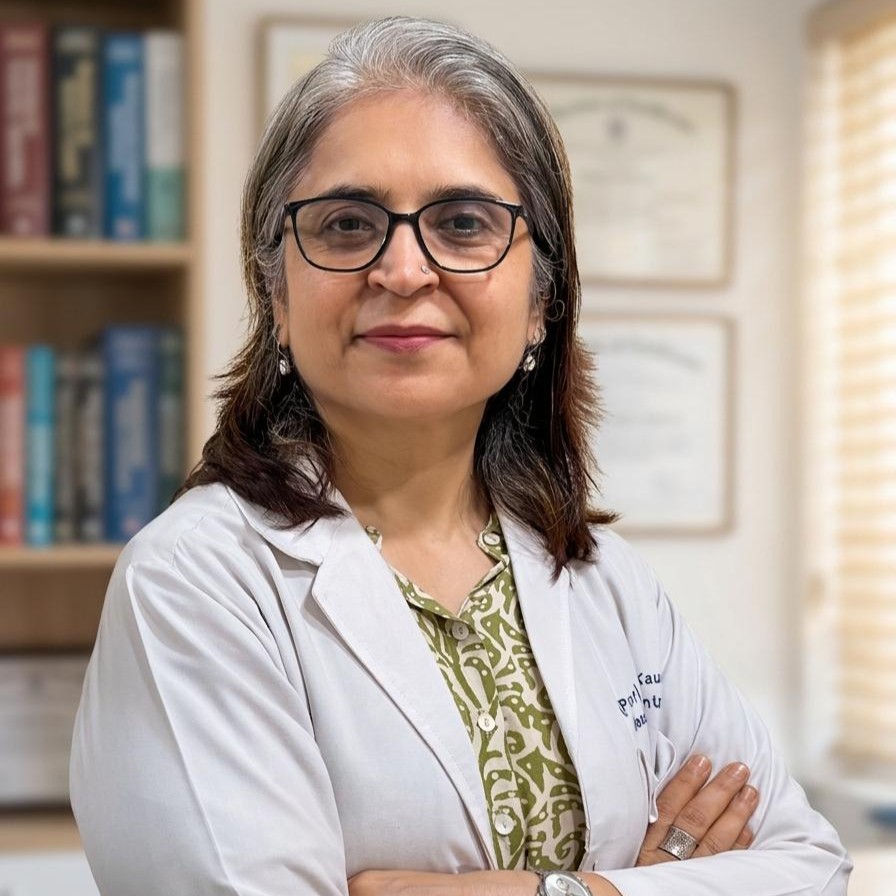
Dr. Taranjit Kaur
Oral & Maxillofacial Surgeon · FIBOMS
Healing Touch Centre, Comba, Madgaon
Discuss your treatment options
Share a few details and the clinic will get back to you with a suitable appointment time.