
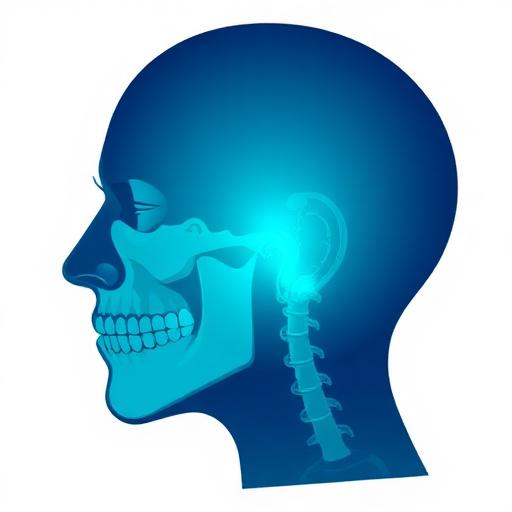
Using medication appropriately as part of a wider TMJ management plan
When jaw joint pain flares up, it can be tempting to reach for over-the-counter painkillers repeatedly without understanding what is actually causing the discomfort. This may bring short-term relief but rarely addresses the underlying problem.
Pharmacotherapy, when used appropriately and as part of a broader plan, can help manage pain, reduce muscle tension and settle inflammation while other measures take effect.
At Dr Taranjit Kaur's Healing Touch Centre in Comba, Madgaon, medication for TMJ pain is prescribed as one part of a properly diagnosed management plan—not as a substitute for understanding why your jaw hurts.
Dr Taranjit Kaur brings more than 25 years of experience in Oral & Maxillofacial Surgery and is a Fellow of the Indian Board of Oral & Maxillofacial Surgeons (FIBOMS), with particular focus on TMJ disorders and orofacial pain.
Can medication help manage TMJ pain?
Yes. Appropriately selected medication can help reduce pain, ease muscle tension or settle joint inflammation, making it easier for other TMJ treatments, such as splint therapy or physiotherapy, to be effective.
Medication is typically used for a defined period as part of a wider management plan, rather than as an ongoing standalone treatment.
Pharmacotherapy for TMJ pain usually includes:
- A clinical assessment to identify the type and source of your pain
- Selection of medication suited to your specific symptoms, such as muscle relaxants, anti-inflammatories or short-term pain relief
- Clear guidance on dosage, duration and what to expect
- Monitoring for response and any side effects
- Integration with other management measures such as splints or physiotherapy
The goal is not simply to numb pain. The goal is to use medication as a supportive tool while the underlying cause of your TMJ symptoms is addressed.
Is pharmacotherapy right for your TMJ pain?
The answer depends on the type and severity of your symptoms
Medication is not the right approach for every TMJ symptom, and it is rarely used alone. A proper assessment helps determine whether your pain is muscle-related, joint-related or inflammatory, which guides medication choice.
A responsible approach avoids relying on repeated over-the-counter painkillers without addressing the underlying cause.
Pharmacotherapy may be considered if you have:
- Acute jaw pain following a flare-up or injury
- Muscle tightness or spasm contributing to your symptoms
- Inflammatory joint pain identified on examination
- Pain that is limiting your ability to eat, speak or sleep
- A need for short-term relief while starting splint therapy or physiotherapy
- Ongoing reliance on over-the-counter painkillers without improvement
- A history of TMJ flare-ups that respond to medication in the past
Your consultation is the right place to understand whether medication has a role in your specific case, and for how long.
How is medication used to manage TMJ pain?
The process is planned around your specific symptoms and history
1. Consultation and examination
Your appointment begins with a detailed history of your pain pattern, triggers and previous treatments, along with a clinical examination of your jaw muscles and joint.
2. Identifying the type of pain
Understanding whether your pain is primarily muscular, joint-related or inflammatory helps guide the choice of medication.
3. Medication selection
An appropriate medication, such as a short course of anti-inflammatories, a muscle relaxant, or another suitable option, is selected based on your specific presentation and medical history.
4. Guidance on use
You are given clear instructions on dosage, duration and what improvement to expect, along with any precautions relevant to your health.
5. Monitoring your response
Follow-up helps assess whether the medication is providing the expected relief and whether any adjustment is needed.
6. Integration with other treatment
Medication is generally used alongside other measures, such as a night guard, physiotherapy or habit changes, for a more complete management plan.
Is medication a long-term solution for TMJ pain?
Usually not on its own
Medication can be effective for managing acute flare-ups or supporting the early stages of treatment, but it is rarely intended as a long-term standalone solution for TMJ disorders.
Long-term management typically relies more on addressing contributing factors such as clenching habits, bite issues, muscle tension or joint mechanics, often alongside an oral appliance or other targeted therapy.
Understanding this distinction helps set realistic expectations for what medication can and cannot achieve on its own.
Why choose Dr Taranjit Kaur for TMJ pain management?
Specialist assessment matters for appropriate, well-targeted medication use
Oral and maxillofacial surgery expertise
Understanding the anatomy and pain pathways of the jaw joint and muscles supports appropriate medication selection, rather than generic pain relief.
FIBOMS credential and dedicated TMJ focus
Dr Taranjit Kaur is a Fellow of the Indian Board of Oral & Maxillofacial Surgeons (FIBOMS), with particular focus on TMJ disorders and orofacial pain management.
More than 25 years of experience
Recognising which type of TMJ pain will respond to which type of medication comes from extensive clinical experience across a wide range of presentations.
Medication as part of a complete plan
Pharmacotherapy is used to support, not replace, a full diagnostic and management approach to your TMJ symptoms.
Clear explanations without pressure
You will understand why a particular medication is being suggested, for how long, and what role it plays in your overall care.
Supporting your recovery alongside medication
Habits that help medication work more effectively
Medication tends to work best as part of a broader approach to managing TMJ symptoms.
Helpful habits include:
- Taking medication exactly as directed, including duration
- Avoiding hard, chewy or excessively wide-opening foods during a flare-up
- Using a night guard if one has been recommended
- Practising any jaw exercises or stretches advised by your clinician
- Managing stress, which can influence muscle tension
- Reporting side effects or lack of improvement promptly
- Attending follow-up appointments to review your progress
Combining medication with these habits supports more lasting relief than medication alone.
Frequently Asked Questions About Pharmacotherapy for TMJ Pain
What types of medication are used for TMJ pain?
Depending on your symptoms, this may include short-term anti-inflammatories, muscle relaxants or other pain-relief options suited to your presentation.
Is it safe to take over-the-counter painkillers for TMJ pain?
Occasional use may help with mild discomfort, but relying on repeated self-medication without assessment can mask an underlying problem that needs proper diagnosis.
How long will I need to take medication?
This depends on your symptoms, but medication for TMJ pain is generally used for a short, defined period rather than long-term.
Can medication alone cure a TMJ disorder?
Medication can help manage pain and inflammation, but a full management plan, addressing habits, bite and joint mechanics, usually gives more lasting results.
Will medication interact with other treatments I am receiving?
Your clinician will review your full medical history and any other medications before prescribing, to avoid interactions.
Are there side effects to be aware of?
As with any medication, side effects are possible. Your clinician will explain what to watch for and when to report symptoms.
Where is the clinic located?
Dr Taranjit Kaur's Healing Touch Centre is located at Shop 37, Upper Ground Floor, Vasant Arcade, Comba, Madgaon, Goa 403601.
Get appropriate, well-targeted pain relief for your TMJ symptoms
Repeated self-medication is not a substitute for understanding why your jaw hurts.
Start with a consultation at Dr Taranjit Kaur's Healing Touch Centre in Madgaon for a proper assessment and an appropriate pain management plan.
Dr Taranjit Kaur's Healing Touch Centre Shop 37, Upper Ground Floor, Vasant Arcade, Comba, Madgaon, Goa 403601

Dr. Taranjit Kaur
Oral & Maxillofacial Surgeon · FIBOMS
Healing Touch Centre, Comba, Madgaon
Discuss your treatment options
Share a few details and the clinic will get back to you with a suitable appointment time.