
Careful, ongoing care for conditions that need close attention
Being diagnosed with an oral potentially malignant disorder, such as leukoplakia, erythroplakia, oral submucous fibrosis or lichen planus, can be worrying. These conditions carry a higher chance of change over time compared with typical oral tissue, which is why they need a structured, long-term management approach rather than a single treatment and discharge.
Adjunctive management focuses on supporting your overall care alongside any specific treatment, through habit modification, regular monitoring and prompt attention to any change.
At Dr Taranjit Kaur's Healing Touch Centre in Comba, Madgaon, patients with OPMDs receive a clear explanation of their condition and a structured, ongoing plan for monitoring and supportive care.
Dr Taranjit Kaur brings more than 25 years of experience in Oral & Maxillofacial Surgery and is a Fellow of the Indian Board of Oral & Maxillofacial Surgeons (FIBOMS), with particular expertise in oral pathology and long-term lesion management.
Can OPMDs be effectively managed?
Yes. While oral potentially malignant disorders require ongoing attention rather than a one-time cure, they can be effectively managed through a combination of habit modification, regular monitoring, and prompt treatment of any concerning change.
The specific management approach depends on the type of disorder, its extent, and your individual risk factors.
Adjunctive OPMD management usually includes:
- Confirmation of the specific diagnosis through examination and, where needed, biopsy
- A structured, individualised monitoring schedule
- Guidance on reducing or eliminating contributing habits, such as tobacco or betel nut use
- Supportive therapies to manage symptoms where relevant
- Prompt assessment and biopsy of any area showing change over time
The goal is not only to treat a single lesion. The goal is to establish a long-term partnership focused on reducing risk factors, monitoring closely, and catching any concerning change as early as possible.
Is ongoing OPMD management right for you?
If you have been diagnosed with an OPMD, structured follow-up matters
Once diagnosed with an oral potentially malignant disorder, ongoing management becomes an important part of your long-term oral health care, regardless of how the condition initially presented.
A responsible approach establishes a monitoring plan tailored to your specific diagnosis and risk profile, rather than a generic one-size-fits-all schedule.
Adjunctive OPMD management may be relevant if you have:
- A diagnosis of leukoplakia, erythroplakia, oral submucous fibrosis or oral lichen planus
- A history of tobacco, betel nut or alcohol use contributing to your condition
- A previous biopsy confirming an OPMD diagnosis
- Ongoing symptoms such as burning, restricted mouth opening or altered texture
- A need for support in reducing or stopping contributing habits
- Concerns about changes in a previously diagnosed area
- A wish for structured, long-term monitoring rather than sporadic check-ups
Your consultation is the right place to establish a clear management plan tailored to your specific diagnosis.
How is adjunctive OPMD management structured?
The process is built around long-term, structured monitoring
1. Consultation and diagnosis confirmation
Your appointment begins with a review of your diagnosis, history and any previous biopsy results, alongside a thorough clinical examination.
2. Risk factor assessment
A detailed review of contributing factors, such as tobacco, betel nut or alcohol use, helps guide supportive recommendations.
3. Establishing a monitoring schedule
Based on your specific diagnosis and risk profile, an appropriate interval for regular review appointments is established.
4. Habit modification support
Practical guidance and support are offered to help reduce or eliminate habits that may be contributing to your condition.
5. Symptomatic and supportive care
Where relevant, treatments to manage symptoms such as discomfort or restricted movement are incorporated into your care plan.
6. Ongoing surveillance
At each review, the affected area is carefully re-examined, with prompt biopsy of any area showing concerning change.
Why does an OPMD diagnosis require ongoing monitoring rather than a single treatment?
These conditions can change unpredictably over time
Unlike a straightforward infection or simple lesion, oral potentially malignant disorders carry an inherent, though individually variable, risk of change over time. This risk cannot be eliminated by a single treatment, which is why ongoing, structured monitoring is central to their management.
Regular review allows any change to be identified and investigated promptly, at the earliest and most manageable stage, rather than being discovered later.
Understanding this helps set realistic expectations for what long-term OPMD management involves.
Why choose Dr Taranjit Kaur for OPMD management?
Specialist expertise matters for conditions needing careful long-term attention
Oral and maxillofacial surgery expertise
Managing OPMDs safely, including biopsy when needed, requires surgical training specific to oral pathology.
FIBOMS credential and oral pathology focus
Dr Taranjit Kaur is a Fellow of the Indian Board of Oral & Maxillofacial Surgeons (FIBOMS), with particular expertise in oral pathology and long-term lesion management.
More than 25 years of experience
Recognising subtle changes over time, and knowing when a re-biopsy is warranted, comes from extensive clinical experience with these conditions.
A structured, long-term partnership
Care is built around consistent, scheduled monitoring rather than isolated visits, supporting continuity in your management.
Clear explanations without unnecessary alarm
You will understand your condition, its risks and your monitoring plan clearly, communicated in a way that informs without causing undue distress.
Supporting your long-term oral health with an OPMD
Your own habits play a central role alongside professional monitoring
Alongside regular professional review, your own habits and awareness make a meaningful difference in managing an OPMD.
Helpful habits include:
- Reducing or stopping tobacco use in any form
- Reducing or stopping betel nut, areca nut or paan use
- Moderating or avoiding alcohol consumption
- Attending every scheduled monitoring appointment, even when feeling well
- Reporting any new symptom or change in the affected area promptly
- Maintaining good general oral hygiene
- Being open with your clinician about any difficulty in modifying contributing habits, so support can be offered
Consistent habits, combined with regular monitoring, offer the best approach to managing an OPMD over the long term.
Frequently Asked Questions About Adjunctive Management of OPMDs
Does having an OPMD mean I will develop oral cancer?
No. An OPMD carries an increased, but individually variable, risk of change over time. Most people with an OPMD do not go on to develop cancer, particularly with appropriate monitoring and risk factor reduction.
How often will I need to be reviewed?
This depends on your specific diagnosis and risk profile, and your clinician will establish a monitoring schedule tailored to your situation.
Can stopping tobacco or betel nut use reverse my condition?
Reducing or stopping these habits can improve outcomes and reduce risk, though the degree of improvement varies by individual and condition.
Will I need repeated biopsies?
A repeat biopsy is generally only recommended if a change is noted in the affected area during monitoring, rather than as a routine, scheduled procedure.
Is there a cure for conditions like oral lichen planus?
Some OPMDs, such as oral lichen planus, are chronic conditions managed over the long term rather than cured, with treatment focused on symptom control and monitoring.
What should I do if I notice a change in a previously diagnosed area?
Contact the clinic promptly for an assessment, rather than waiting for your next scheduled review appointment.
Where is the clinic located?
Dr Taranjit Kaur's Healing Touch Centre is located at Shop 37, Upper Ground Floor, Vasant Arcade, Comba, Madgaon, Goa 403601.
Establish a structured, long-term plan for your OPMD
An oral potentially malignant disorder is best managed with consistent, structured monitoring and support, not a single visit.
Start with a consultation at Dr Taranjit Kaur's Healing Touch Centre in Madgaon to establish a clear, personalised management plan.
Dr Taranjit Kaur's Healing Touch Centre Shop 37, Upper Ground Floor, Vasant Arcade, Comba, Madgaon, Goa 403601
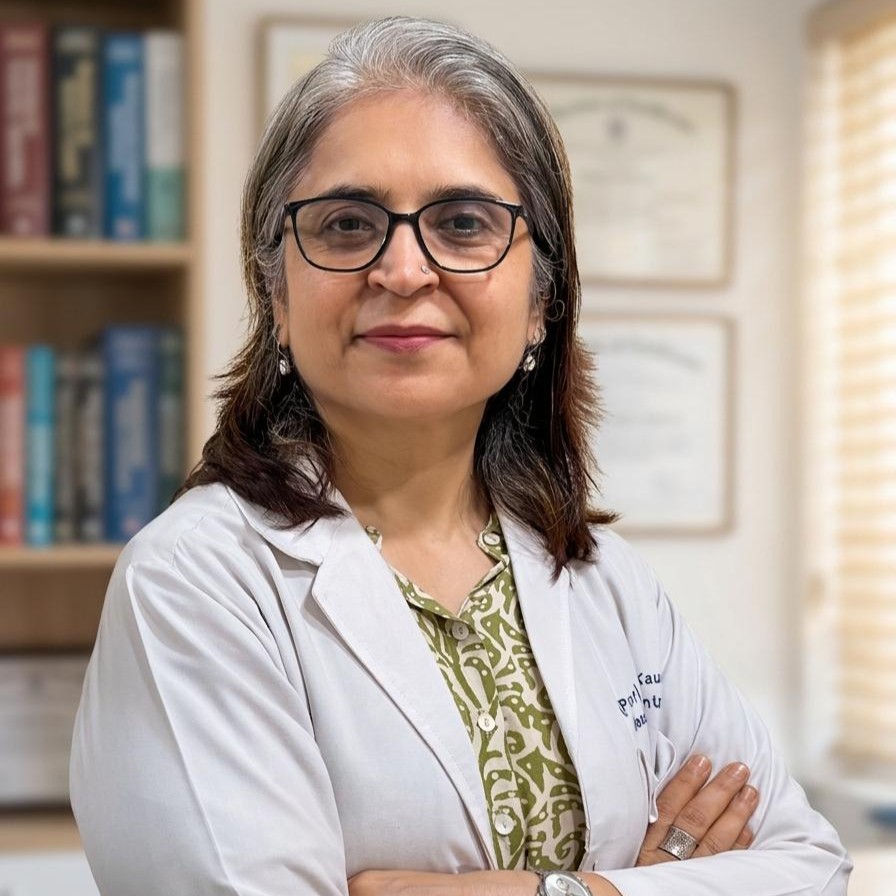
Dr. Taranjit Kaur
Oral & Maxillofacial Surgeon · FIBOMS
Healing Touch Centre, Comba, Madgaon
Discuss your treatment options
Share a few details and the clinic will get back to you with a suitable appointment time.