
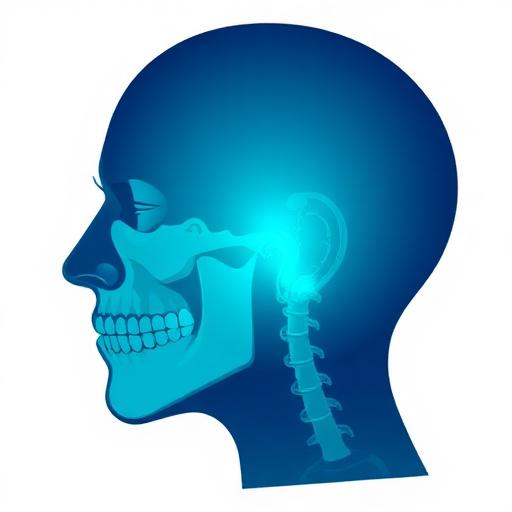
A minimally invasive option when splints and medication have not been enough
For some patients, a persistent jaw joint problem does not fully settle with a night guard, physiotherapy or medication. Clicking may continue, or pain and stiffness may keep returning, making everyday chewing and speaking uncomfortable.
Arthrocentesis, sometimes combined with injectable platelet-rich fibrin (iPRF), is a minimally invasive procedure that can be considered at this stage, before more extensive joint surgery is contemplated.
At Dr Taranjit Kaur's Healing Touch Centre in Comba, Madgaon, this procedure is offered only after a proper diagnostic work-up confirms it is likely to help your specific TMJ presentation.
Dr Taranjit Kaur brings more than 25 years of experience in Oral & Maxillofacial Surgery and is a Fellow of the Indian Board of Oral & Maxillofacial Surgeons (FIBOMS), with particular focus on TMJ disorders and minimally invasive joint procedures.
Can arthrocentesis and iPRF help TMJ pain and clicking?
Yes. Arthrocentesis can flush out inflammatory fluid and debris from the jaw joint space, often improving joint movement and reducing pain, while iPRF may be added to support tissue healing within the joint.
It is generally considered for patients whose symptoms have not responded adequately to conservative management such as splints, physiotherapy or medication.
Arthrocentesis and iPRF therapy usually includes:
- A thorough assessment confirming the joint, rather than muscles alone, as the primary source of symptoms
- Imaging to evaluate the joint space and disc position
- A minimally invasive procedure to irrigate the joint under local anaesthesia
- Optional addition of iPRF, prepared from your own blood, to support healing
- A structured recovery and follow-up plan
The goal is not only short-term symptom relief. The goal is to improve joint movement and reduce inflammation in a way that supports longer-term function.
Is arthrocentesis and iPRF therapy right for you?
The answer depends on how your TMJ symptoms have responded so far
This procedure is not typically a first-line treatment. It is generally considered after conservative measures have been tried without sufficient improvement, and when the joint itself, rather than muscle tension alone, appears to be the main issue.
A responsible approach confirms this through careful assessment and imaging before recommending the procedure.
Arthrocentesis and iPRF therapy may be considered if you have:
- Persistent jaw joint pain despite splint therapy or medication
- Joint locking that has not resolved with conservative care
- Clicking accompanied by pain or restricted movement
- Imaging findings suggesting joint inflammation or disc displacement
- Limited jaw opening affecting eating or speaking
- A wish to explore this option before considering more extensive joint surgery
- A clear diagnosis pointing to the joint as the main source of symptoms
Your consultation is the right place to understand whether this treatment fits your specific situation.
How does arthrocentesis and iPRF therapy work?
The process is planned to give the joint the best chance to settle
1. Consultation and diagnostic work-up
Your case begins with a detailed history, clinical examination and imaging to confirm that the joint is the primary source of your symptoms.
2. Confirming suitability
Your clinician will explain why arthrocentesis is being recommended over other options, and what improvement can realistically be expected.
3. The procedure
Under local anaesthesia, the joint space is accessed with fine needles, and sterile fluid is used to irrigate and flush the joint, helping to reduce inflammation and improve movement.
4. Adding iPRF, if planned
If iPRF is part of your plan, it is prepared from a small blood sample taken on the day and introduced into the joint to support the healing process.
5. Immediate recovery
Most patients can go home the same day, with some mild soreness expected around the joint area initially.
6. Follow-up and rehabilitation
Follow-up appointments monitor your progress, and gentle jaw exercises may be recommended to support recovery and maintain improved movement.
How is arthrocentesis different from open TMJ surgery?
It is a far less invasive step, reserved for suitable cases
Arthrocentesis is performed through fine needles rather than an open surgical approach, meaning it involves less tissue disruption and typically a quicker recovery than open joint surgery.
It is generally considered a middle step in TMJ management, appropriate when conservative treatment has not been enough but before more invasive joint surgery is considered.
Not every joint problem is suitable for arthrocentesis, and your imaging and clinical findings will guide whether this or another approach is right for you.
Why choose Dr Taranjit Kaur for arthrocentesis and iPRF therapy?
Specialist experience matters for a minimally invasive joint procedure
Oral and maxillofacial surgery expertise
Performing joint procedures safely requires detailed knowledge of TMJ anatomy and surgical technique specific to the jaw joint.
FIBOMS credential and dedicated TMJ focus
Dr Taranjit Kaur is a Fellow of the Indian Board of Oral & Maxillofacial Surgeons (FIBOMS), with particular focus on TMJ disorders and minimally invasive joint procedures.
More than 25 years of experience
Identifying which patients are genuinely likely to benefit from arthrocentesis, rather than needing further conservative care or more extensive surgery, comes from extensive clinical experience.
A step-wise approach to TMJ care
This procedure is offered as part of a staged management pathway, considered only when appropriate rather than as a routine early step.
Clear explanations without pressure
You will understand why this procedure is being recommended, what to expect, and what alternatives exist before proceeding.
Recovery care after arthrocentesis and iPRF therapy
Gentle, consistent care supports joint healing
Recovery is generally quicker than open joint surgery, but a few habits support the best outcome.
Helpful habits include:
- Sticking to a soft diet for the initial recovery period
- Taking any prescribed medication as directed
- Performing gentle jaw exercises if recommended
- Avoiding wide jaw opening or hard, chewy foods early in recovery
- Attending follow-up appointments to monitor joint movement and symptoms
- Reporting persistent swelling, pain or new symptoms promptly
- Continuing any night guard or habit modification advised alongside the procedure
Consistent follow-up helps confirm the joint is responding well to treatment.
Frequently Asked Questions About Arthrocentesis & iPRF Therapy
Is arthrocentesis a major surgery?
No. It is a minimally invasive procedure performed through fine needles, generally with a quicker recovery than open joint surgery.
What is iPRF and why is it used?
iPRF is a concentration of platelets and growth factors prepared from your own blood, which may support tissue healing when introduced into the joint alongside arthrocentesis.
Will I be awake during the procedure?
The procedure is typically performed under local anaesthesia, and most patients are comfortable and aware throughout.
How long does recovery take?
Many patients notice improvement within days to a couple of weeks, though full benefit can take longer to settle, and your clinician will give you a timeline specific to your case.
Will I need more than one session?
Some patients benefit from a single session, while others may be advised to have a further session depending on their response. This will be discussed with you.
Does this procedure replace the need for a night guard?
Not usually. A night guard or other habit-related measures are often continued alongside the procedure as part of a complete management plan.
Where is the clinic located?
Dr Taranjit Kaur's Healing Touch Centre is located at Shop 37, Upper Ground Floor, Vasant Arcade, Comba, Madgaon, Goa 403601.
Explore a minimally invasive option for persistent TMJ symptoms
When splints and medication alone have not resolved your jaw joint pain or clicking, arthrocentesis and iPRF therapy may be worth exploring.
Start with a consultation at Dr Taranjit Kaur's Healing Touch Centre in Madgaon to find out if this treatment is suitable for you.
Dr Taranjit Kaur's Healing Touch Centre Shop 37, Upper Ground Floor, Vasant Arcade, Comba, Madgaon, Goa 403601

Dr. Taranjit Kaur
Oral & Maxillofacial Surgeon · FIBOMS
Healing Touch Centre, Comba, Madgaon
Discuss your treatment options
Share a few details and the clinic will get back to you with a suitable appointment time.